
Mental health and addiction support workers
Support workers are the largest group in the mental health and addiction workforce. This page presents an evidence-informed profile of support workers, covering the following aspects. Click a section to jump straight there or take your time scrolling through each.
- Support workers uphold the mana and dignity of tāngata whai ora and whānau
- Support workers are numerous and diverse
- Support workers are the heart of mental health and addiction services
- Support work is relational in practice
- Support workers promote hauora for tāngata whai ora and whānau
- How to become a support worker
Support workers uphold the mana and dignity of tāngata whai ora and whānau
Support workers work alongside tāngata whai ora and whānau to support them to live with dignity and be part of their communities and whānau, in ways that work for them. Support work is a relational, flexible, and responsive form of person- and whānau-centred practice.
See more in this video about the history of these roles and how they work alongside tāngata whai ora and whānau on their hauora journey.
Support workers are numerous and diverse
Support workers are the largest workforce group, making up one-third of the workforce. Well over 5,000 people work as mental health and addiction support workers.
Support workers’ characteristics vary for different workplaces and services. Overall, we know the following.
- 70% or more are women.
- One-third to half are Māori or Pasifika.
- Median age range is 45 to 54 years.
- Highly experienced, 5 years+.
- Educated, at least Level 4 Certificate in Health and Wellbeing, and many have higher qualifications.
- Are paid around $29 per hour (2025), some working in hospital settings are paid more (based on a review of 22 advertised vacancies).
Support workers bring various life expertise to their roles. They may have their own lived or living experience of mental health challenges, addiction, or supporting whānau, or use their language and culture in their mahi, like te reo me ōna tikanga.
Support workers are guided in their practice by Te Tiriti o Waitangi articles, human rights, and knowledge and skills frameworks like Keeping it Real | Kia Pono te Tika that are based on these core values.
- Respect for tāngata whai ora and whānau and their worldviews.
- Manaaki, care and generosity, towards people, seeking to uphold their dignity and enhance their mana in support work practice.
- Hope for the future.
- Kotahitanga, working together in unity for a common purpose.
- Wellbeing, hauora, focusing on all dimensions of health
- Whanaungatanga, relationship building.
Some common role titles are community support worker, peer support worker, pūkenga atawhai, kaitautoko, employment consultant, and health navigator.
Read more about peer support workers and other lived and living experience workforce. Kaimahi in these roles use their personal lived or living experience of mental health challenges or addiction, or experience with their whānau, to support others facing similar challenges.
Support workers are the heart of mental health and addiction services
Support workers can work anywhere in the mental health and addiction sector. Many are employed in non-government organisations (NGOs), and some in Health New Zealand | Te Whatu Ora services. Support workers may also work in primary healthcare and other hospital settings like emergency departments.
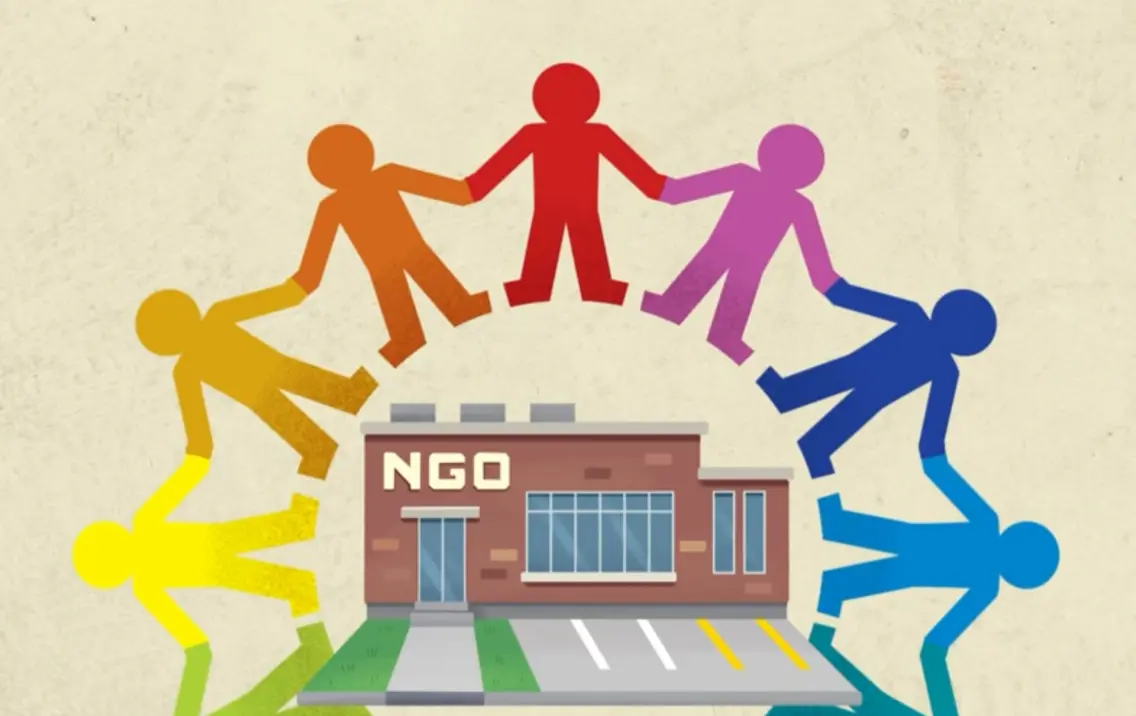
Community NGOs
NGOs and their kaimahi provide services to over 73,000 tāngata whai ora each year.

Health New Zealand | Te Whatu Ora
Over 1,400 support workers work in community and inpatient mental health and addiction services. Read more about their profile here.
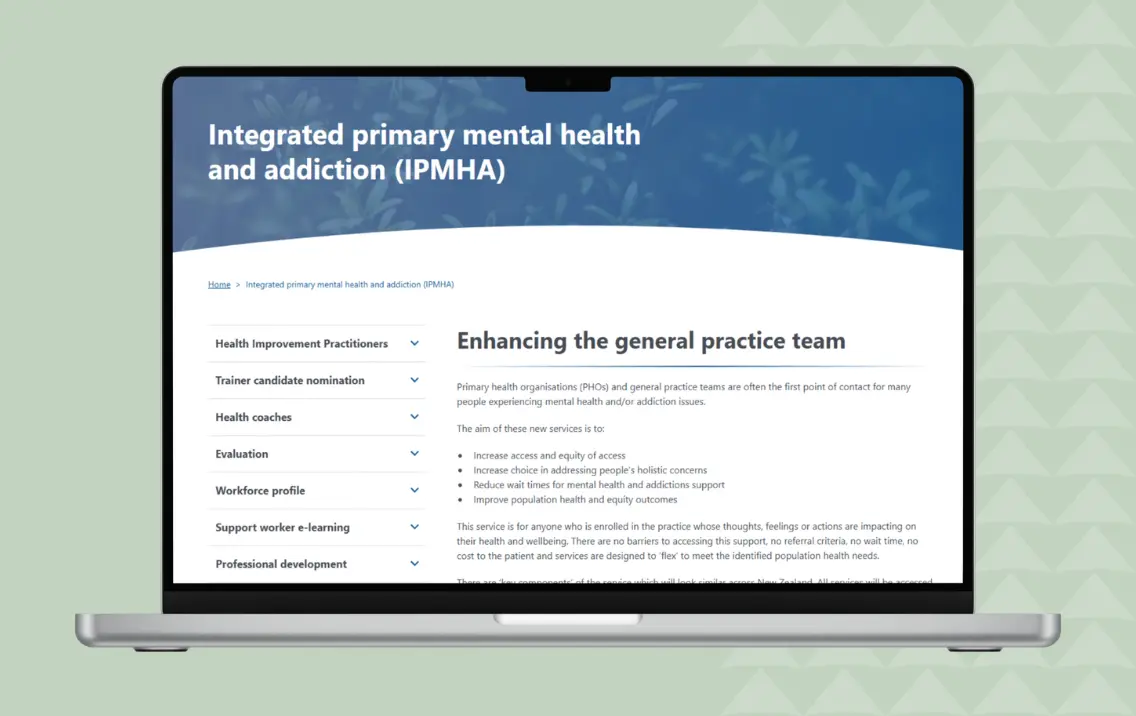
Integrated primary mental health and addiction services
Find out more about support workers in primary healthcare here.*
*Some support workers also have health coach responsibilities.
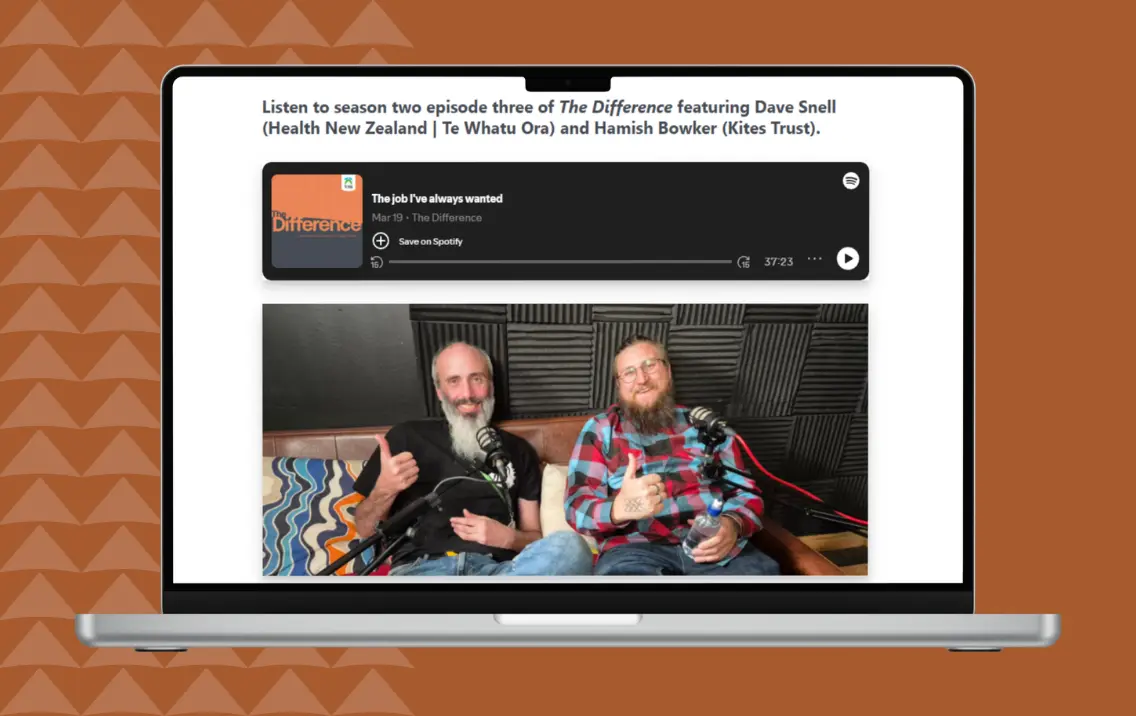
Peer support workers in EDs
Listen to our podcast with Dave Snell and Hamish Bowker about these new roles.
Some support workers specialise in working alongside specific populations such as with hapori Māori, young people, parents and whānau, older people, migrant and refugee communities, and disabled people. Hear more about their work in our podcasts below.
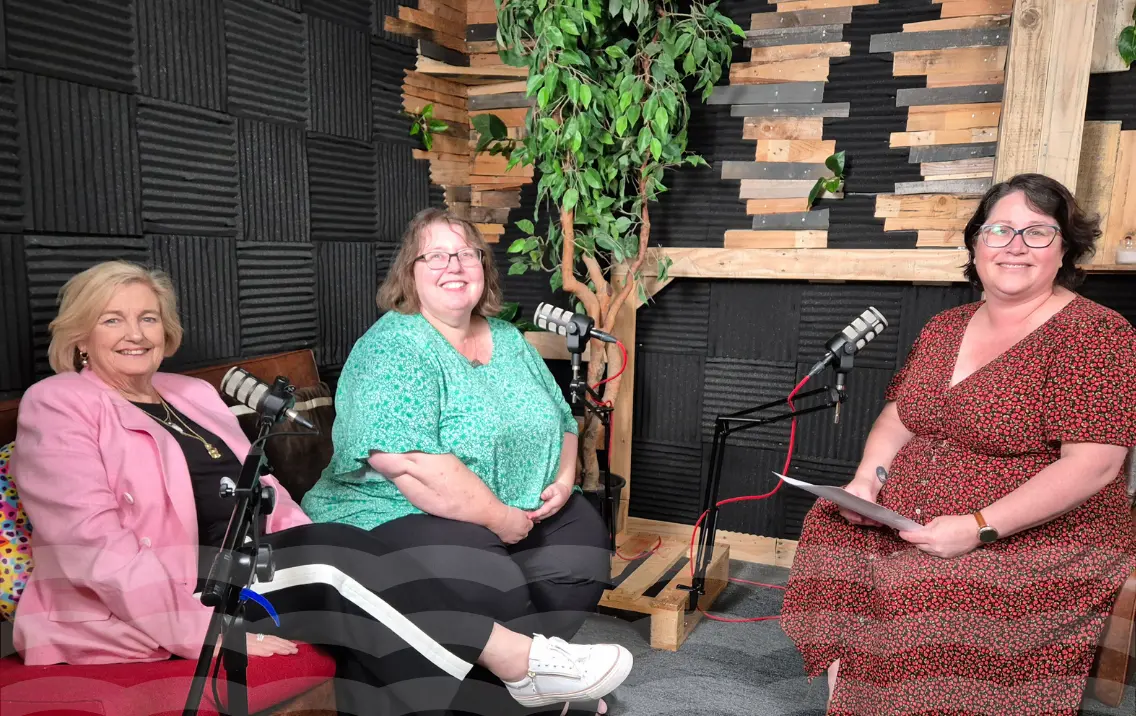
Whānau - the biggest providers of mental health support | Whānau support
With Jade Caulfield from Yellow Brick Road and Anne McGregor from Atareira.
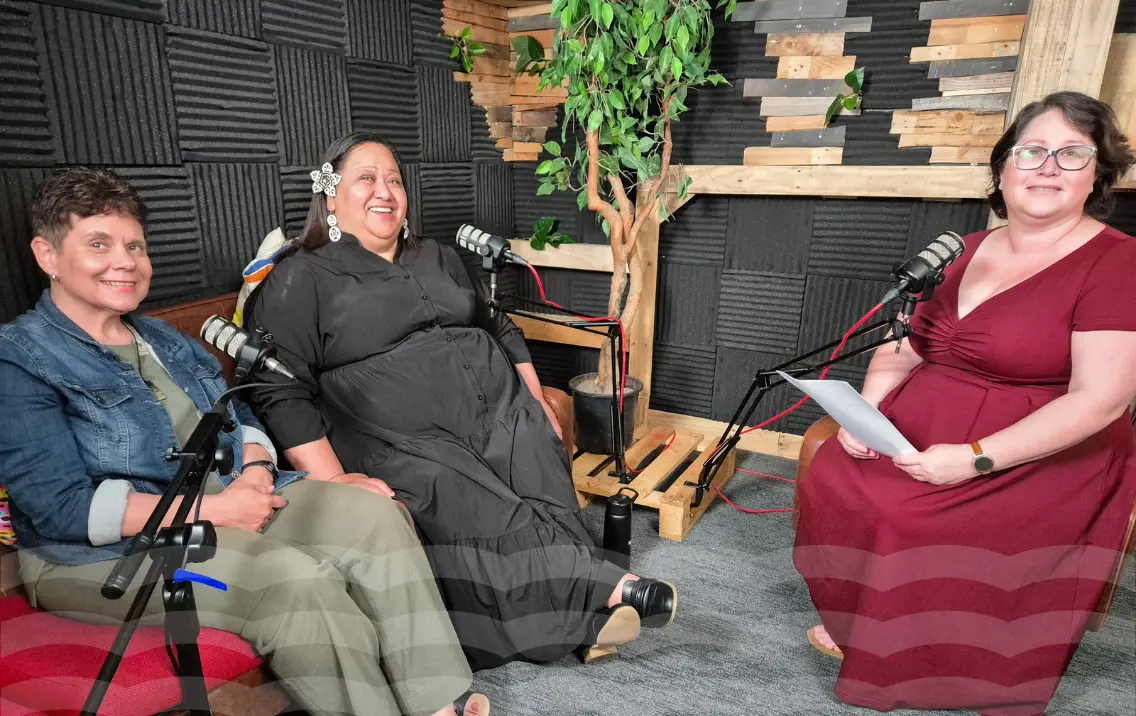
They still want to be seen; they still want to be heard | Supporting older people
With Janeta Vasega (Vaka Tautua) and Lanie Palm (Equip).
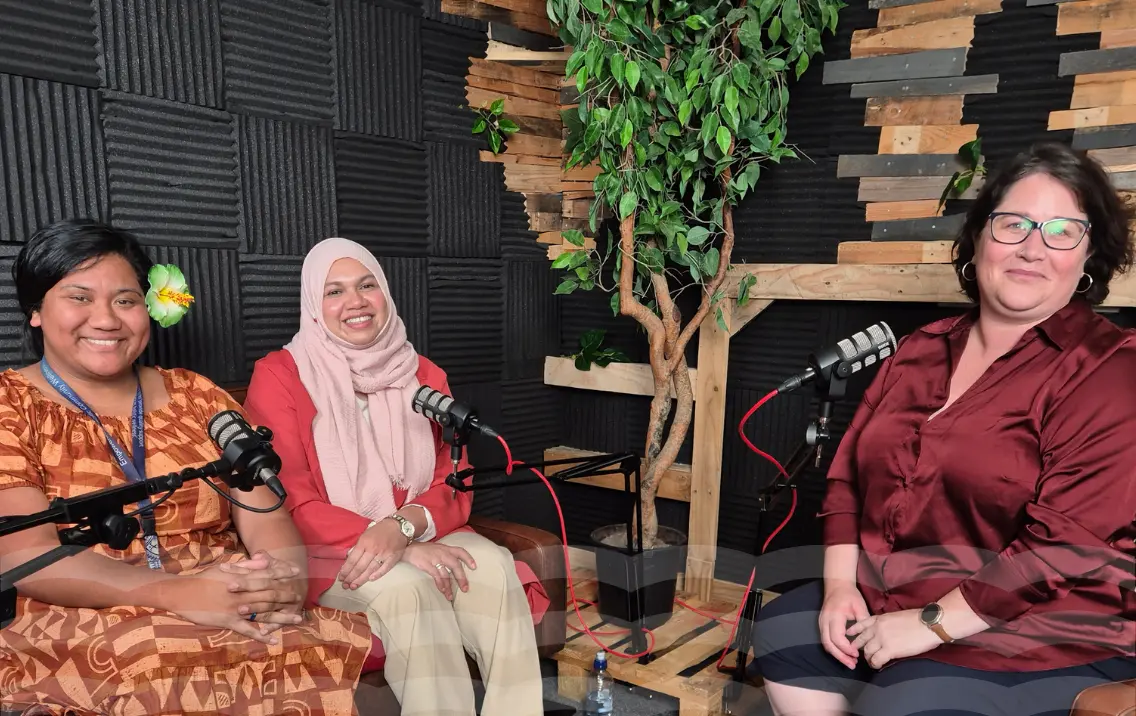
See people for who they are | Support work from a cultural lens
With Janifa Bhamji (Kāhui Tū Kaha) and Lydia Gafoi (Penina Trust).
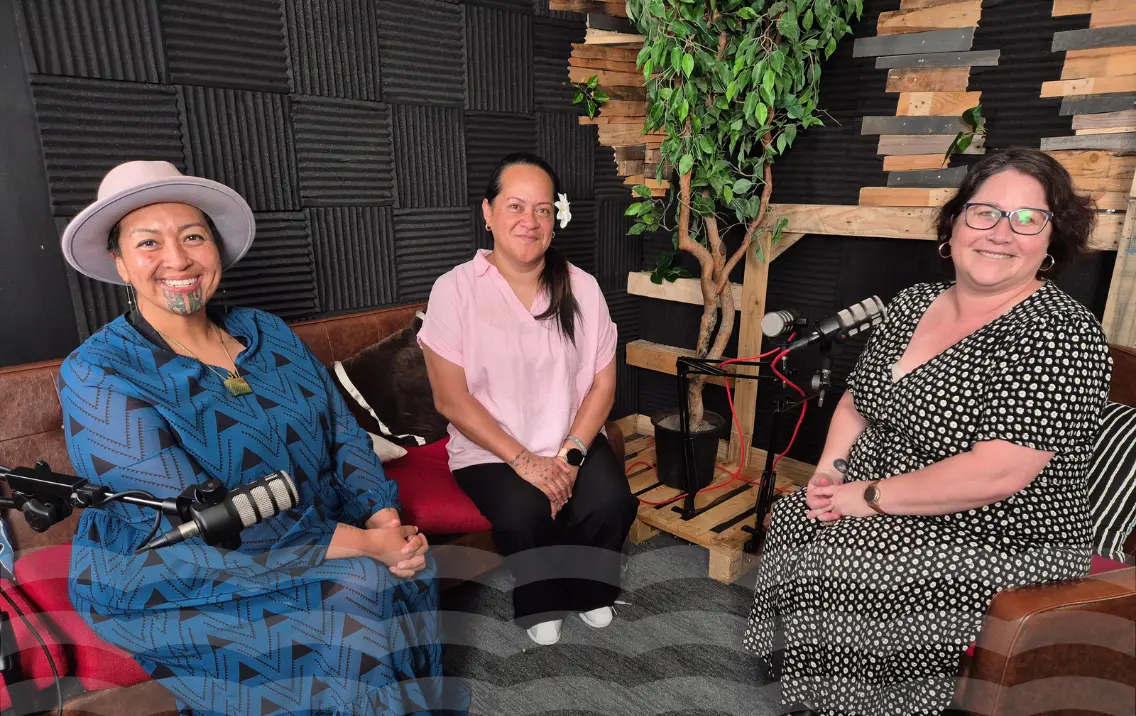
We need a village | Supporting parents
With Margaret Vitale (Odyssey) and Bianca Taute (PADA and Health New Zealand | Te Whatu Ora).
Support work is relational
The role of a support worker is relational, built on whakawhanaungatanga and manaakitanga, as well as Keeping it Real | Kia Pono te Tika seven Real Skills.
Support workers commonly use a range of skills in their mahi, like:
- whakawhanaungatanga (relationship building) for working alongside tāngata whai ora and tāngata whenua, with whānau, other services, and within communities
- manaakitanga (hospitality)
- knowledge of cultural safety and cultural competence in practice
- active listening, communication, and observation skills
- problem solving expertise
- planning and organisational skills
- skills for upholding tāngata whai ora safety like suicide prevention, first aid and emergency response, risk assessment, and de-escalation techniques
- knowledge of legal and ethical frameworks that guide support work mahi
- note-taking and reporting
- ability to challenge stigma and discrimination
- maintaining own learning and wellbeing
- practical skills like driving, cooking, and household management.
Activities in support work vary, depending on tāngata whai ora and whānau and their aspirations.
“Every day is different, which is what I like about it” (The Difference episode one)
These are some of the tasks support workers might do while working alongside tāngata whai ora and whānau to support them to realise their goals.
- Enacting tāngata whai ora hauora plans.
- Encouraging, motivating, and maintaining tāngata whai ora and whānau mana during services.
- Engaging in community or workplace activities and relationships.
- Supporting attendance at appointments or access to other services.
- Assisting in the provision of therapeutic programmes.
- Finding employment and supporting positive work experiences.
- Cooking and other activities of daily life.
Support workers promote hauora for tāngata whai ora and whānau
Support workers can make a big difference for tāngata whai ora and whānau seeking hauora. Read more about the difference they make in A Sound Investment.
Tāngata whai ora health can be viewed by using holistic models like Te Whare Tapa Whā and outcomes measures like Hua Oranga. These describe hauora across tinana (physical), hinengaro (mental and emotional), wairua (spiritual), and whānau (relational) dimensions.
Find out how to become a support worker
Interested in support work for a career?
- Check out this video, it tells you about the most common employment in NGOs.
- Look for mental health and addiction “support worker”, “peer support worker” or “whānau support worker” on job sites.
- Contact a local service provider to find out more about opportunities with them.