
Training and education pathways
Below are various training and education options available to equip people with the necessary skills and knowledge to work in the addiction sector. This includes:
- getting started – volunteering and foundational learning opportunities
- growing your practice – training and learning opportunities to enhance areas of addiction practice, such as lived experience, youth, whānau, and support work
- getting registered – educational pathways to becoming a registered professional
- advancing your knowledge and skills – learning and development opportunities for addiction kaimahi to further enhance their practice.
While training and qualifications are not always needed to start working in the addiction sector, you will likely need to gain these for your professional development and to meet required competencies and skills to work in certain roles and services.
People with personal lived experience of addiction and recovery have unique values, knowledge, and skills that can be valuable for supporting others on their own recovery journeys. While this is not always recognised as relevant ‘experience’ or ‘education’ when seeking employment, the information provided on this webpage assumes that lived experience can underpin any additional education, training, and experiences people have.
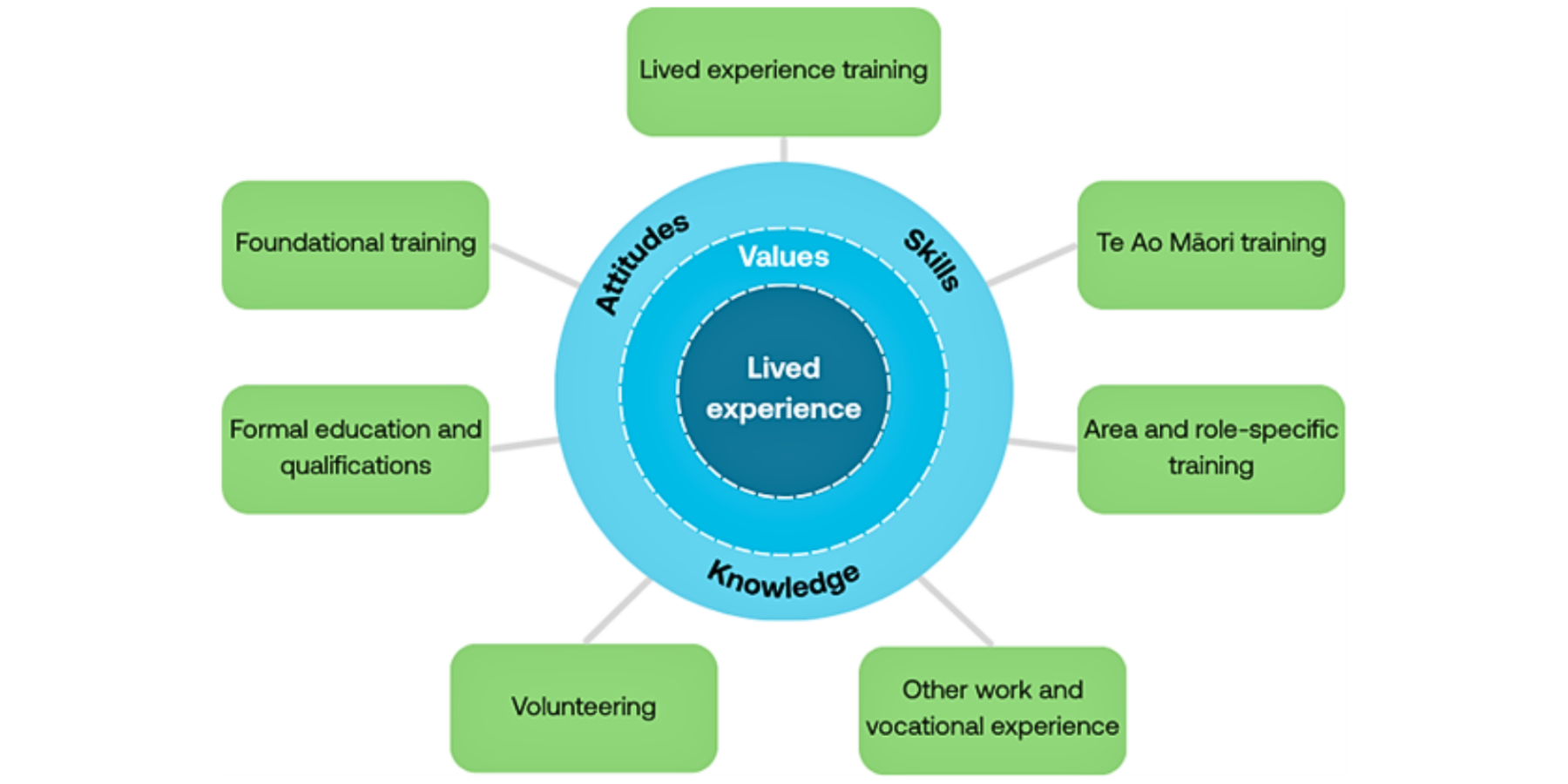
Getting started
Volunteering
Volunteers are a fundamental part of the addiction sector, particularly peer support. Much of the workforce recalls times in their careers when they actively supported addiction services before being paid for their contributions.
Volunteering can provide valuable experiences for people, including those with lived experience, wanting to work in addiction. He Ara Oranga, the Government Inquiry into Mental Health and Addiction, heard that people who have experienced harm from addiction often face barriers to getting employed such as stigma, criminal charges, and limited work and educational experience.
Volunteering provides opportunities to gain skills and work experience, enhance personal growth, and connect with other people and communities. A local study with people with lived experience of addiction, treatment, and recovery notes that opportunities that enable giving back to the people, communities, and services who support(ed) them and need support, contributes to personal journeys of hauora.
Below are some places where you can find volunteering opportunities across Aotearoa.
- City Missions (Auckland, Wellington, Christchurch)
- Do Good Jobs
- KnowYourStuff NZ
- Lifewise
- Seek Volunteer
- Tūao Aotearoa | Volunteering New Zealand
You can also get directly in touch with local communities and peer groups, services, and other organisations to ask if they are open to having volunteers.
Some addiction services, particularly residential treatment services, offer opportunities for people who have accessed the service in the past to work in peer volunteer roles which can lead to paid employment and further training.
Foundational training and resources
Below are some training options that give you the foundations for working in addiction and supporting tāngata whai ora recovering from addiction.
These trainings are open to most people, including people entering study for the first time, as well as those who are already working, experienced, or qualified.
Growing your practice
Below are some examples of trainings, programmes, and other learning and development opportunities designed to enhance specific areas of addiction practice, including lived experience, youth, whānau, and support work.
There are options for people with different levels of education and work histories, from people who are new to study or practice, to people already working in the sector looking to develop their knowledge and skills.
There are different entry requirements for each training. Check with the training provider you are interested in, to see how you can access the course or programme.
A widely recognised qualification that will support people into addiction sector roles is the Level 4 New Zealand Certificate in Health and Wellbeing. This can be undertaken with a specific focus on mental health and addiction, peer support, or social and community services.
Below are a range of training providers across Aotearoa who offer the Level 4 Certificate in Health and Wellbeing.
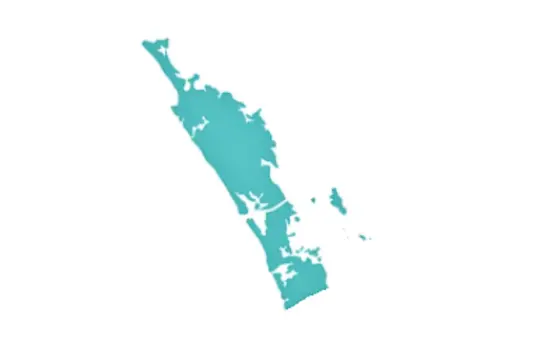
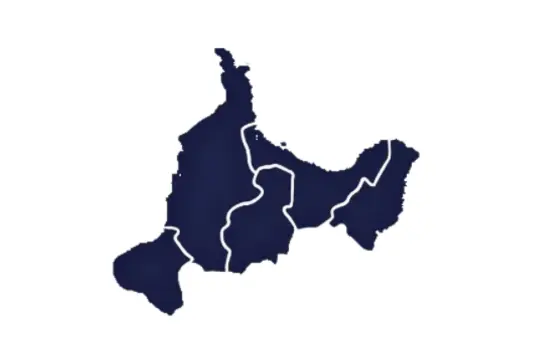
Te Manawa Taki | Midland
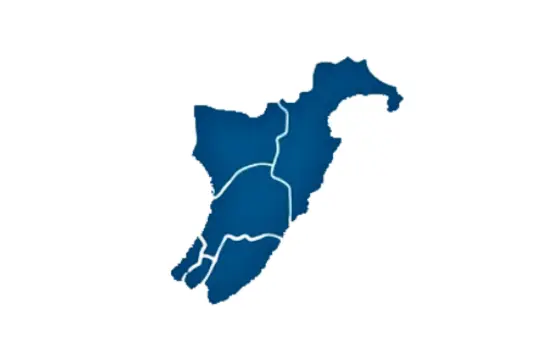
Te Ikaroa | Central
Te Waipounamu | South Island
Entry requirements typically include some secondary study qualifications (such as NCEA Level 1 credits) and regulatory checks (such as police checks and referees).
If you do not meet general entry criteria, some providers offer other ways to study including:
- foundational and bridging programmes
- Careerforce apprenticeships or other supported enrolments by employers – some employers can support you to gain the certificate or other relevant qualification while you work
- discretionary acceptance based on other personal, work, and educational experience.
It is a good idea to check entry requirements and alternative pathways with your local or preferred provider as these can differ across Aotearoa.
Getting registered
Level 7 qualifications are the main educational pathways into entering registered professional roles such as addiction practitioners, nurses, and social workers.
Fully practicing in these roles normally requires you to register with the relevant professional body. In addition to qualifications, registration requires you to meet additional criteria like demonstrating the right skills and personal qualities for the role and engaging with supervision for a certain period of time. It is a good idea to check registration requirements for the role(s) you are interested in.
The Person-to-person roles section provides more information about what working in these roles involves and links to approved study programmes and registration requirements.
Advancing your knowledge and skills
Listed below is a range of further learning and development opportunities aimed at kaimahi already working in the addiction sector and people wanting to advance their capabilities in supporting people towards recovery and hauora.
-
Cultural competency courses and programmes (eCALD)
eCALD offers a range of in-person and online courses for supporting culturally and linguistifcally diverse (CALD) people from Asian, Middle Eastern and African backgrounds, as well as for working in culturally diverse workplaces. Courses focus on enhancing the primary, secondary, and NGO health workforces’ cultural awareness, sensitivity, knowledge, and practical skills. eCALD courses are free for Health New Zealand | Te Whatu Ora funded organisations and practitioners in most health organisations.
-
Dapaanz workshops (Addiction Practitioners Association Aotearoa New Zealand)
Dapaanz provides a range of professional development workshops for kaimahi to enhance their practice.
-
Engaging Pasifika (Le Va)
Le Va provides workshops and training to enhance the impact of kaimahi in addiction and mental health, cultural competency, suicide and violence prevention, and public health.
-
Te Rau Matatau (Te Rau Ora)
Te Rau Matatau offers a range of courses and qualifications within the Māori Health sector. These include courses on cultural competency, peer support, mana enhancing practice, and Māori therapeutic approaches.
-
Te Pou workforce and leadership development grants
Te Pou provides funded training and development opportunities for kaimahi. Grants include Skills Matter, integrated primary mental health and addiction (IPMHA) professional development grants, and mental health and addiction professional development grants for people of Muslim faith.

Resources
Te Pou has a wide range of evidence-based resources and tools to help the addiction and mental health workforce.
Learn MoreOur work
Te Pou works alongside addiction and mental health services to understand their priorities and workforce challenges.
Learn More