
Pūkoro, our learning management system and home to our e-learning resources, will be unavailable on Wednesday 28 October from 9am to 1pm while we carry out an upgrade.
Te Mana Hononga: The power of connection
Te Mana Hononga is a practical, evidence-informed framework designed for healthcare services in Aotearoa New Zealand to reduce and eliminate restrictive practices. The framework supports services in Aotearoa to eliminate restrictive practices and build safety through mana-enhancing, culturally grounded, and relational approaches.
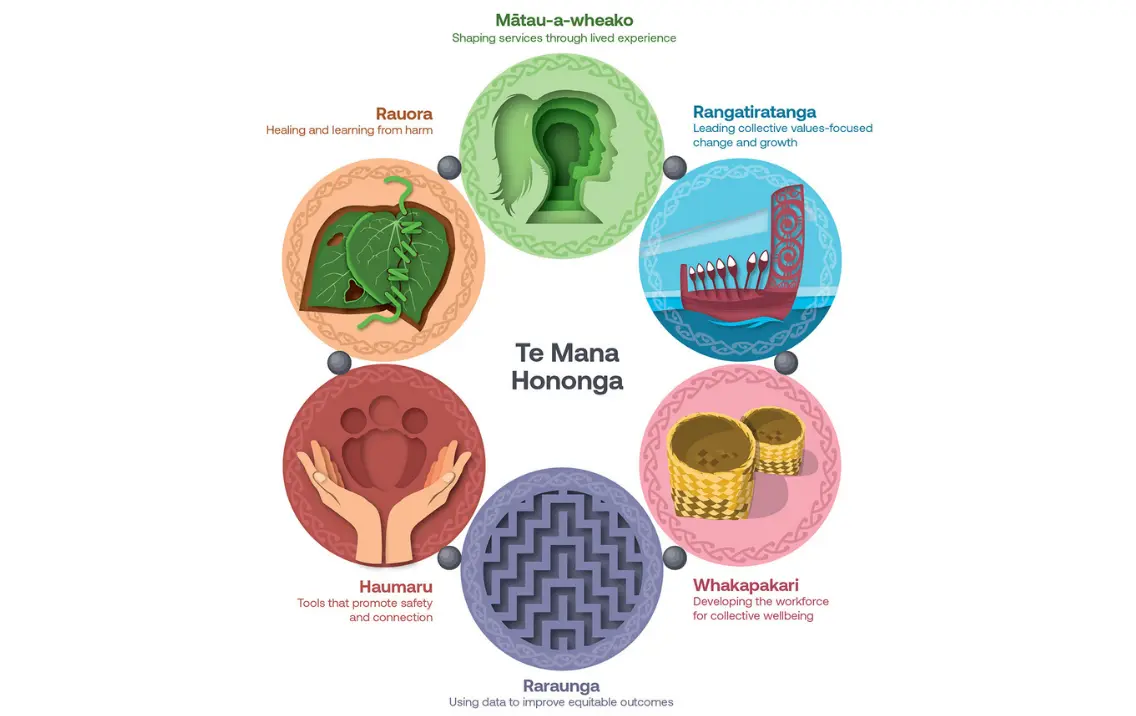
Grounded in Te Tiriti o Waitangi, and shaped by Māori, Pasifika, and lived experience leadership, the framework supports services to:
- Build safety without harm
- Strengthen culturally safe and responsive practice
- Centre tāngata whai ora and whānau voices
- Use equity-focused evidence to drive improvement
- Strengthen workforce capability and collective wellbeing
- Embed restorative learning and accountability
Whakapapa of the framework
Te Mana Hononga: The power of connection draws on the Six Core Strategies to Reduce Seclusion and Restraint Use© by Kevin Huckshorn and the National Association of State Mental Health Program Directors. This framework builds on the work Te Pou started in 2013 to support the use of Six Core Strategies© in Aotearoa.
The name Te Mana Hononga was gifted to this framework through kōrero with Māori cultural advisors, kaumātua, and contributors who shared their mātauranga. It honours the central role of relationships in shaping least restrictive practice and the vā (relational space). It also acknowledges that the strength of the framework is not only in the actions that it guides, but in the way that we connect with one another.
Background resources
The following background resources explain why the framework is needed and what opportunities exist to build safety without causing harm. They bring together research and feedback from kaimahi, Māori and Pasifika partners, and people with lived experience. These insights have shaped the Te Mana Hononga framework and highlight the importance of grounding it in Te Tiriti o Waitangi, Pasifika models of care, cultural knowledge, relational practice, and equity.
Te Mana Hononga webinar series: Evaluation report
To support the implementation of Te Mana Hononga, Te Pou delivered a four-part webinar series between May and June 2026. This evaluation examines early implementation outcomes for the framework, including awareness, understanding, relevance, and intentions to apply the framework in practice.
The six rautaki (strategies) of Te Mana Hononga
The framework includes six interconnected areas that support services to build safer, more responsive environments.

Mātau-a-wheako: Shaping services through lived experience
- Tāngata whai ora and whānau are essential partners in creating safe services.
- Partnership leads to better, safer outcomes.
Rangatiratanga: Leading collective values-focused change and growth
- Leadership sets the foundation for eliminating restrictive practices.
- Strong leadership creates the conditions for sustainable change.

Raraunga: Using data to improve equitable outcomes
- Equity-focused evidence helps services understand experiences and improve outcomes.
- Data becomes a tool for transformation — not just measurement.
Whakapakari: Developing the workforce for collective wellbeing
- A supported, culturally confident workforce is essential to reducing restrictive practices.
- When kaimahi thrive, safer care follows.
Haumaru: Tools that promote safety and connection
- Restrictive practices are prevented through early, culturally safe, relational responses.
- Safety is achieved through care, connection, and respect.
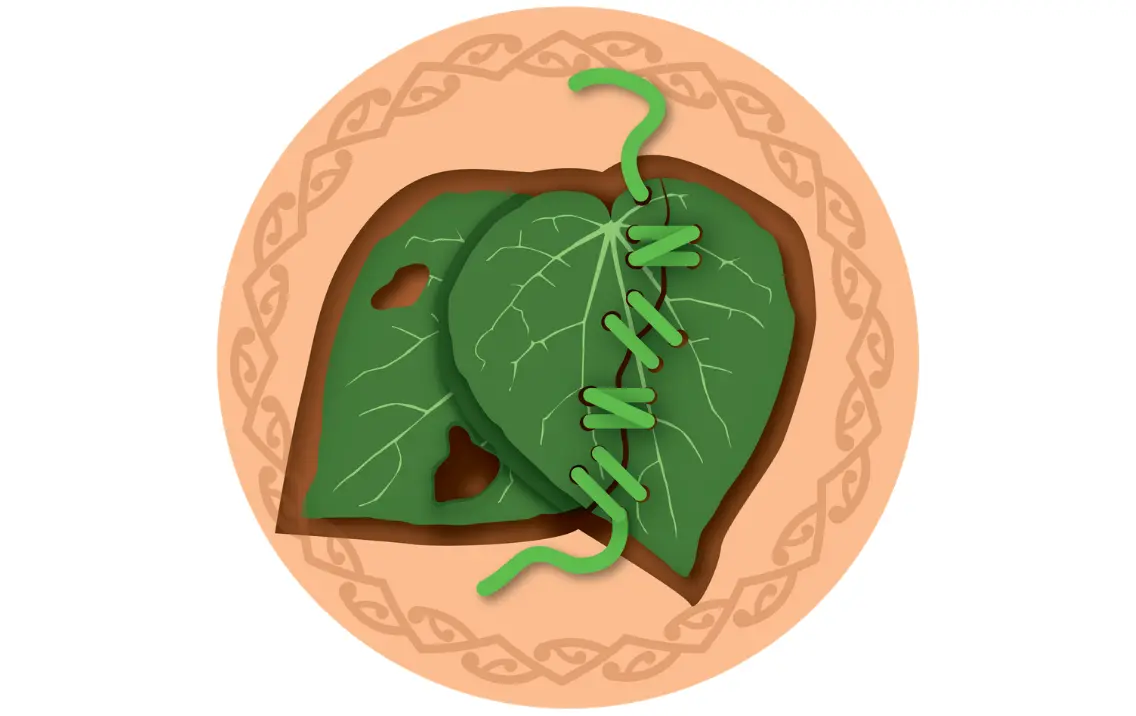
Rauora: Healing and learning from harm
- Restorative reflection supports healing, learning, and prevention.
- Debriefing becomes a pathway to growth and restoration.

Resources
Te Pou has a wide range of evidence-based resources and tools to help the addiction and mental health workforce.
Learn MoreOur work
Te Pou works alongside addiction and mental health services to understand their priorities and workforce challenges.
Learn More