The Difference: season two episode five
Always do good | Ethics and boundaries
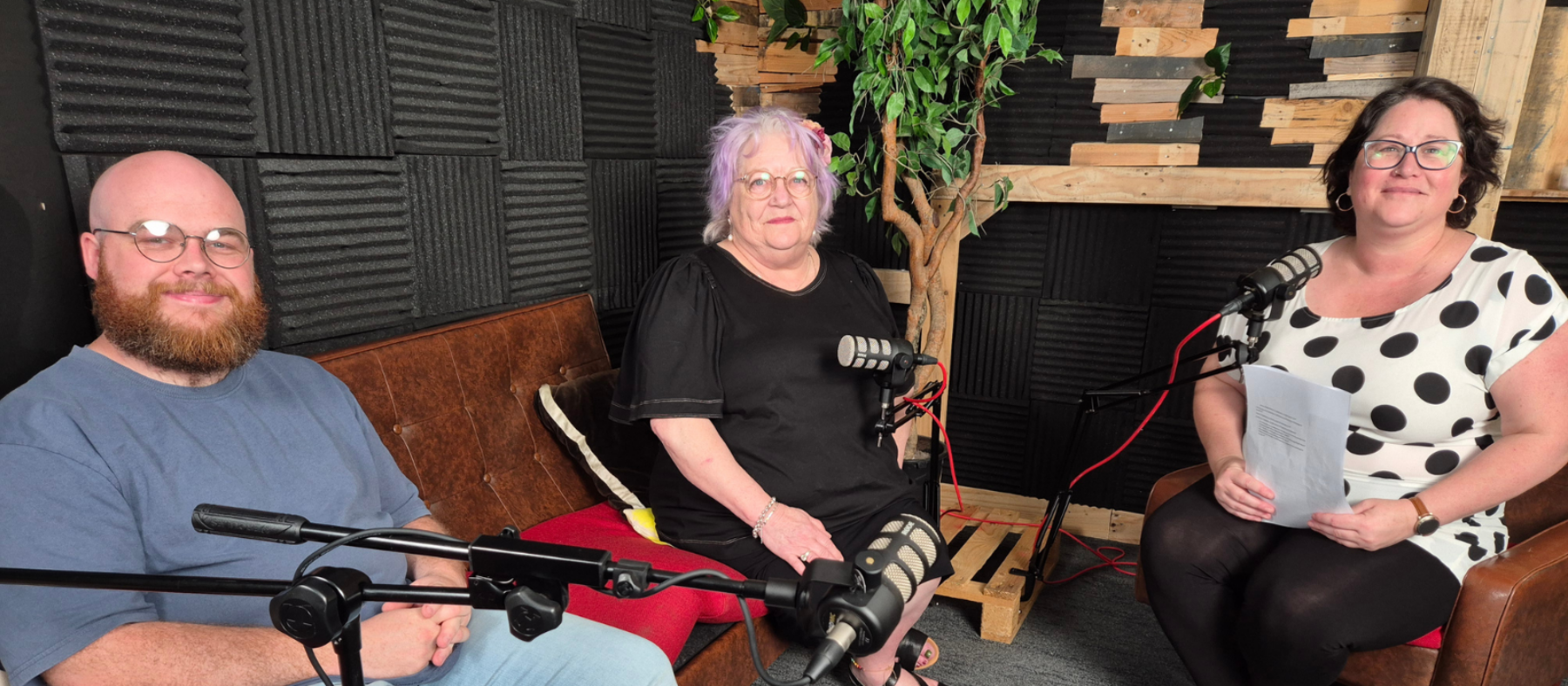
Listen to season two episode five of The Difference featuring Josh Monson (Stepping Stone Trust) and Caro Swanson (Te Pou).
Where to listen:
Information on the topic
Difficult situations can arise at work.
Ethics, boundaries, shared values, and your organisational policies are there to help you navigate through challenging situations.
What are ethics and why are they important?
Ethics refers to the moral principles that guide your actions and decisions.1 Ethical principles in healthcare ensures tāngata whai ora and whānau are treated with dignity and respect and their mana, rights, and autonomy are upheld. Everyone accessing a health or disability service is protected under the Code of Rights which aligns with human rights and ethical principles. The four main biomedical ethics principles are: beneficence (do good), non-maleficence (do no harm), respect for autonomy (self-determination), justice (be fair).2
What are boundaries and why are they important?
Boundaries are the specific rules and limits that keep everyone safe. These are derived from ethical and moral principles.3 Examples of breaching professional boundaries include interactions with tāngata whai ora outside of work hours, sending personal messages and social media contact with tāngata whai ora, accepting significant gifts, breaching confidentiality and privacy, and workplace bullying. Ethics and boundaries are not black and white; there are often many grey areas and situations where professional boundaries may look different.
What are values and why are they important?
The aim of values-informed practice is to enable better experiences and outcomes for tāngata whai ora and whānau.4 Culture and cultural values impacts how people access and experience healthcare.5 Values-informed practice asks kaimahi to understand their own beliefs, values, biases and assumptions about tāngata whai ora and whānau and how these may influence relationships, decisions, and work.
Tips from The Difference podcast
Follow your employer’s policies and procedures.
Be mindful of your own ethics and boundaries and how they align with the values and guidelines you need to adhere to.
“Mistakes” are an important part of learning.
Don’t be so rigid in your interpretation of rules that things don’t work for people. Use your common sense.
“Always do good.”
Everything is grey. Weigh up:
- where you’re at, at the moment
- what is the best thing for the person in front of you
- what is it that you can do
- how can you make the person you are supporting feel safe and comfortable.
These factors will change what you use (in your mahi) at any given time.
Boundary issues often start small.
It’s a good idea to “zoom out” to look at the big picture in any situation.
Talk to people about the decisions you are sitting with or the situations you are in, always being mindful of the privacy of other people.
Access reflective practice and don’t wait until you need it – book ahead!
More information on this topic
- Information about the Code of Health and Disability Services Consumers' Rights is available in different languages and Easy Read on the Health & Disability Commissioner’s website.
- Keeping it Real | Kia Pono te Tika is a framework that describes the values, attitudes, knowledge, and skills required for working effectively alongside tāngata whai ora and whānau experiencing addiction and/or mental health challenges. See the framework and related resources at Keeping it Real | Kia Pono te Tika.
- Dapaanz registered support workers are expected to follow Tikanga Matatika/ Code of Ethics.
- The CPSLE (Consumer, Peer Support and Lived Experience) workforce are guided by the values and competencies outlined in Competencies for the mental health and addiction consumer, peer support and lived experience workforce.
- Information about the United Nations Convention on the Rights of Persons with Disabilities, which includes tāngata whai ora/ people with lived experience of mental distress and/ addiction, is available on the Whaikaha Ministry of Disabled People website.
- Free online learning about the Privacy Act 2020 and how it applies to your mahi is available from the Office of the Privacy Commissioner. Learn more about the Privacy ABC and Health ABC e-learning modules.
