The Difference: season two episode four
We need a village | Supporting parents
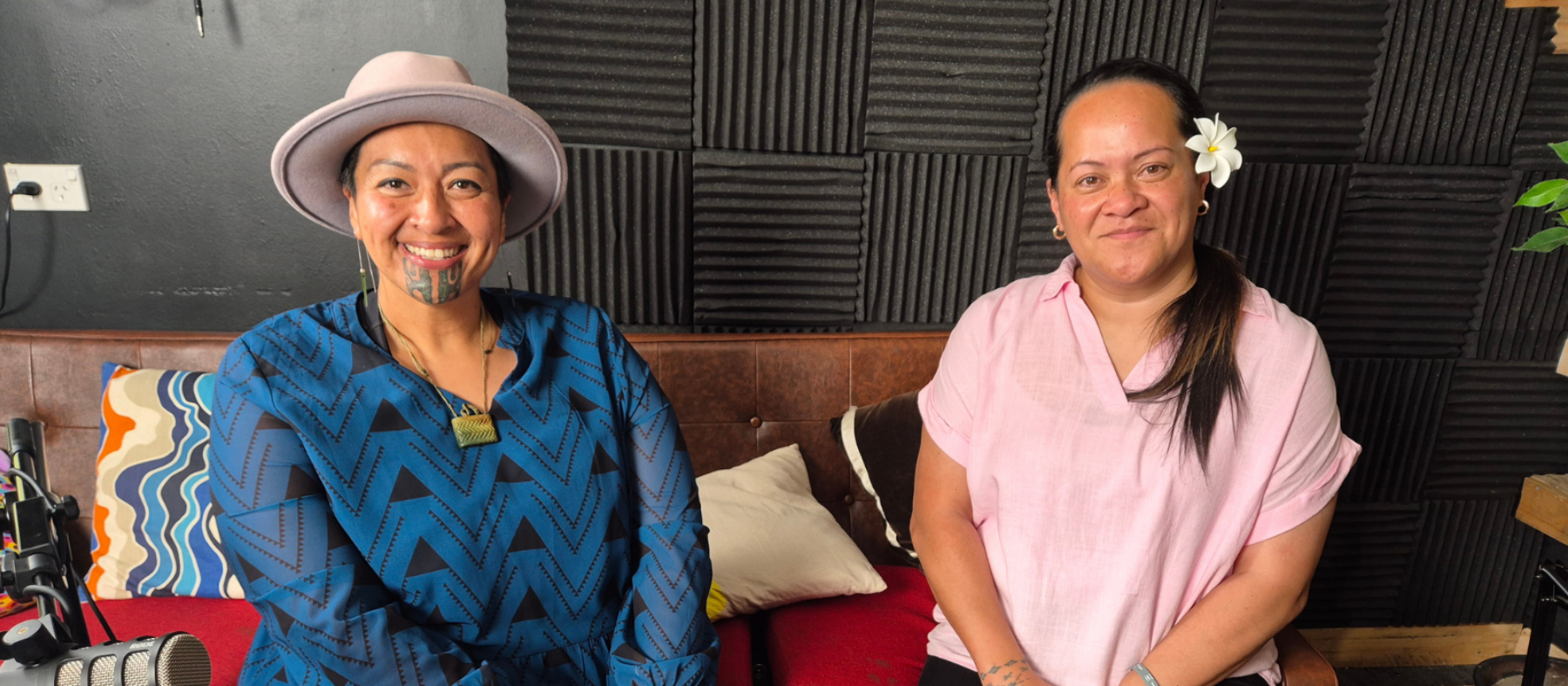
Listen to season two episode four of The Difference featuring Bianca Taute (Health New Zealand | Te Whatu Ora) and Margaret Vitale (Odyssey).
Where to listen:
Information on the topic
Many tāngata whai ora are parents
Many tāngata whai ora accessing mental health, addiction, and other health and social services are parents who look after the wellbeing of their tamariki, while at the same time on their own journeys of hauora through wellbeing challenges.1 In Aotearoa, almost 3 in 5 whānau are single-parent families or couples with children;2 and between 12 and 18 percent of mothers and 10 percent of fathers experience depression, anxiety, and/or other mental health issues during the prenatal period.3
Parent, child, and whānau wellbeing are interconnected
Parental mental health and wellbeing can directly impact on that of their tamariki and wider whānau.1 International research shows that mental health and addiction challenges can affect parents’ ability to be fully present for their children and can hinder healthy whānau relationships.4 Children of parents with mental health and addiction challenges experience disproportionately higher rates of negative wellbeing outcomes due to many environmental, social, genetic, and intergenerational factors.4-6 Importantly, while many whānau are able to thrive despite these challenges, services can help to mitigate long-term impacts through targeted support for individual needs within the holistic whānau context.
A whānau-centred approach is needed to improve outcomes for parents and children
Whānau wellbeing is integral to the wellbeing of wider communities and the future generations of Aotearoa.1 Whānau-centred support is vital for tāngata whai ora who are parents to ensure that they, their children, and wider whānau have the best possible outcomes. Supporting parents involves using a range of culturally safe, strengths-based, person-centred, and trauma informed approaches that support their capabilities, autonomy, and dignity.1,7 This involves walking alongside parents, recognising them as experts in their own wellbeing, to access a range of information and supports that meet their needs and aspirations (including peer support, cultural, housing, education, and employment services). Being whānau-inclusive can also involve providing support for tamariki and connecting with other whānau members to collectively support the parent’s wellbeing. Overall, a goal in supporting parents is to create safe, stable, and supportive environments that help to strengthen individual and whānau resilience and wellbeing.
Tips from The Difference podcast
Be with people. Make sure in every interaction you have with people they feel seen, heard, validated, and motivated.
Be intentional. Whakamana people/ nurture their strength, identity and potential.
Support workers supporting parents need:
- empathy
- boundaries
- to convey hope for the people they support
- to be real and genuine
- to have integrity.
Listen to how people want to parent and support them to do that. It is their journey. It’s about rangatiratanga/ self-determination.
Everyone, every family, and every baby is different.
Understand your own bias.
It is a privilege to be with families during the postnatal period. Come cautiously - with kindness, aroha and compassion.
Be mindful of the balance between being “enough in to know we’re there, but not too much in that they believe the positives they are making is because of us”.
More information on this topic
Guidelines and frameworks
Guidance on how to facilitate a family-focused approach within services and supporting parents to optimise outcomes for their children amidst their own mental health, substance use, or wellbeing challenges is outlined in Supporting Parents Healthy Children Guidelines 2024.
An approach to improving whānau wellbeing that puts whānau at the centre of decision making; focuses on whānau as a whole, and addresses individual needs within the context of the whānau is outlined in The Whānau Ora Outcomes Framework.
Keeping it Real | Kia Pono te Tika is a framework that describes the values, attitudes, knowledge, and skills required for working effectively alongside tāngata whai ora and whānau experiencing addiction and/or mental health challenges. Keeping it Real | Kia Pono te Tika resources for the Working with whānau Real Skill are available on Working with whānau.
Healthify He Puna Waiora provides useful tips and resources on Self-care when a parent has a mental health condition and Mental wellbeing for new mums.
Perinatal Anxiety & Depression Aotearoa provides useful tips and resources on supporting families with anxiety & depression due to pregnancy, childbirth and early parenting. This information is available at Perinatal Anxiety & Depression Aotearoa.
Whānau Āwhina Plunket provides helpline support to parents and information on parent mental health in both te reo Māori and English. Learn more about their services on the Whānau Āwhina Plunket webpage.
Yellow Brick Road is a national organisation that supports whānau who are supporting tāngata whai ora experiencing mental health challenges. Learn more about their services on the Yellow Brick Road webpage.
Family Drug Support assists families with loved ones who use alcohol and other drugs, in a way that strengthens relationships and achieves positive outcomes. Learn more about their services on the Family Drug Support webpage.
