
Pūkoro, our learning management system and home to our e-learning resources, will be unavailable on Wednesday 28 October from 9am to 1pm while we carry out an upgrade.
The Difference: season two episode three
The job I've always wanted | Peer support workers in EDs
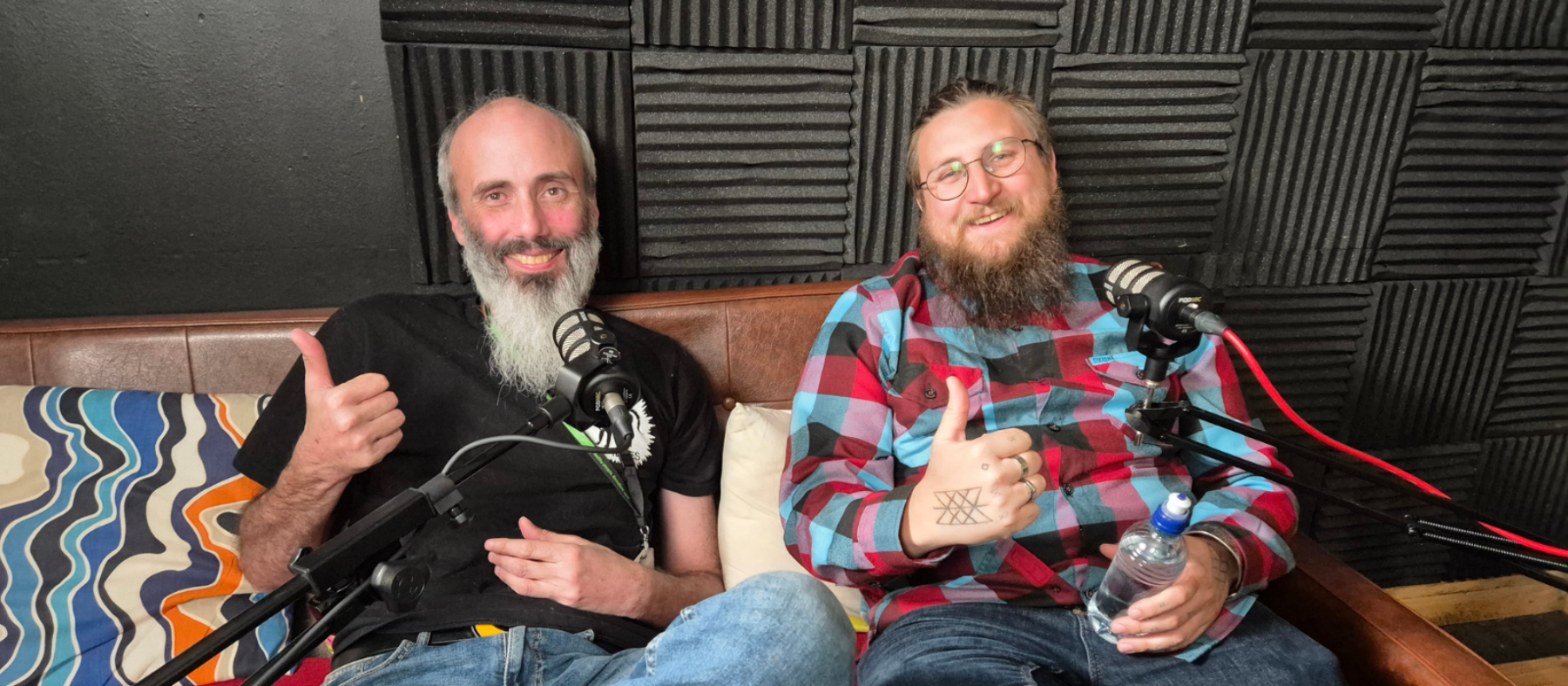
Listen to season two episode three of The Difference featuring Dave Snell (Health New Zealand | Te Whatu Ora) and Hamish Bowker (Kites Trust).
Where to listen:
Information on the topic
Peer support workers in EDs have been rolled out across the country
Visiting emergency departments (EDs) can be an overwhelming experience for people who are experiencing mental distress. Peer support specialists working in EDs can help improve support for people by providing empathetic and compassionate support, de-escalation, and linking people up with community supports.1
Currently, peer support services have been established in eight EDs across the country. These are located at Middlemore Hospital, North Shore, Auckland City, Waikato, Wellington, Christchurch, Dunedin, and Tauranga. Feedback from hospitals has been positive so far, with people feeling more heard, more supported, and better connected to follow-up support.2
Tips from The Difference podcast
Peer support specialists involved in the current pilot are really drawing on the strengths of lived experience in relationship-building – both with other kaimahi/ colleagues in EDs and with tāngata whai ora/ people experiencing mental health and/ or addiction distress.
Peer support specialists have encountered some specific challenges while working in EDs, including:
- the busy pace, the changing rosters, the continuous flow of people
- how many different roles are involved in the ED space
- learning multiple systems, e.g. for notetaking
- finding the people who may want peer support – as not all who present to EDs specifically are for mental health or addiction distress
- having limited time to build rapport with people - “you’ve got to get really good at your elevator pitch” - and rethinking how to engage people
- EDs are not designed with acute mental health distress in mind, e.g. the lights, the noise, the space per person, safety and privacy aspects.
The peer support service pilot also includes linking tāngata whai ora with non-governmental organisations (NGOs) in the community. This can give people a ‘taste’ of peer support, which may make it easier for people to reach out when in the community.
People (including those working in clinical roles) are seeing the value of peer support, and support the intent and kaupapa of it, but many aren’t sure how it works in EDs in practice. The system needs to trust peer support providers. They know what they are doing.
In their role, peer support specialists need:
- people skills
- to be good at connecting with people from all walks of life
- self-reflection skills – being aware of yourself, your place in the world and how people might react to you. You need to be okay if someone doesn’t want to talk to you or you find you’re not the right person to support someone.
- people and system navigation skills.
More information on this topic
- Watch this short video (6 minutes) about understanding the role of peer support in emergency department settings.
- The CPSLE (Consumer, Peer Support and Lived Experience) workforce are guided by the values and competencies outlined in Competencies for the mental health and addiction consumer, peer support and lived experience workforce.
- Learning and development opportunities for peer support workers can be found in the CPSLE training directory.