Pūkoro, our learning management system and home to our e-learning resources, will be unavailable on Wednesday 28 October from 9am to 1pm while we carry out an upgrade.
Reflections from TheMHS Conference 2025
-
Publication Date:
26 September 2025
-
Author:
Ciara Coles
-
Area:
Mental Health -
Share
-
Share on Facebook -
Share on Twitter -
Share on LinkedIn -
Share by Mail
-
Te Pou Programme Lead, Mark Smith, was a virtual attendee of TheMHS Conference 2025 in September. He shares his thoughts on the event.
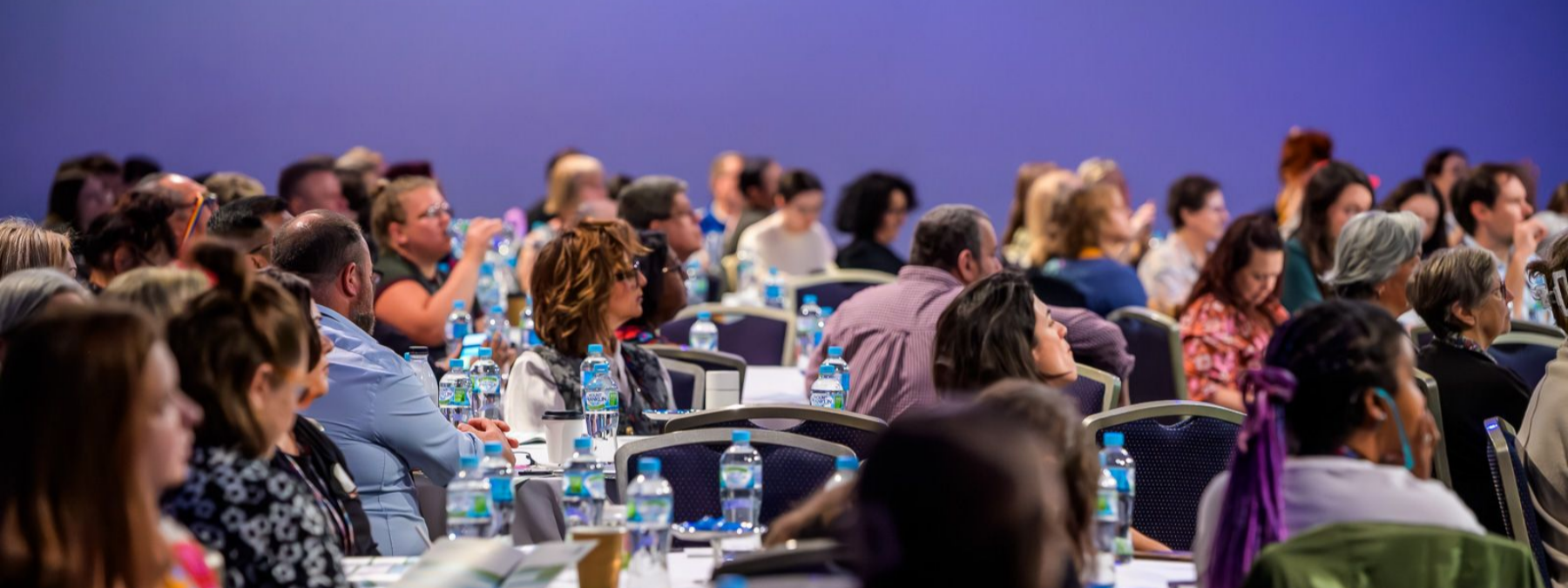
TheMHS Conference 2025: Envisioning 2025, held in Brisbane from Tuesday 2 to Friday 5 September, was a cracker!
The future-focused conference brought together clinicians, people with lived experience, researchers, managers, policy and political analysts, carers, cultural and community leaders and health and wellbeing practitioners from across Australia and New Zealand.
Attending some of the events online, I was inspired with new ideas, a greater sense of where mental health services are headed over the next 25 years, and a fresh appreciation of the wonder of mental health and wellbeing.
Here are my reflections and highlights from the multi-day event.
Inspiring keynote from Mary O’Hagan set the scene
On Tuesday, New Zealand mental health leader Mary O’Hagan gave the opening keynote address, “Lived experience: have we lost our why?”. Her talk included a brief history of lived experience movements in New Zealand, the establishment of psychiatric survivors, and the importance of not confusing means and ends.
Workforce development, leadership, and service user competencies - according to Mary -were part of the means, but the end (or the why) should always be the mental health and wellbeing of tāngata whai ora. Mary made a case for more and better relational advocacy.
This was a truly brilliant opening keynote address which was a highlight for me, and influenced the conference in many ways.
Voices of youth vital for the future of mental health
On Wednesday, Susan Baker (a destigmatisation expert) from the United Kingdom was the first keynote speaker. Her presentation focused on the voices of young people and how they hoped to see mental health services in 2025.
Baker had developed a highly original video with 15 young people from around the world speaking about what they hoped to see in 2025. Their list of hopes was wide and perhaps predictable: the need for prevention and early intervention, digital support, normalising mental health problems, easy access to support, more youth friendly services, an indigenous focus, and human rights respected - but coming from young people, they all had added authenticity.
In a variety of ways, the mental health of young people was the unofficial theme of the conference with many keynote and symposia presentations focusing on this age group.
Trieste: Sowing the seeds and harvesting hope
From several options on Wednesday morning, I chose to attend a 90-minute symposium about the Trieste experience, which was an interesting and engaging session.
Trieste, a city in northeast Italy, is well known for closing its mental health inpatient services in the late 1970s and replacing them with a number of community services (which had only a small number of respite beds).
The symposium provided a useful update to the famous work which started in Trieste, and the impact of that in Australia and New Zealand. Rob Warriner and Dr Alan Rosen were involved in this, along with others.
As was pointed out by the symposium, New Zealand and Australia closed their asylums and replaced them with mental health inpatient units attached to general hospitals, rather than community units. Which, of cause, meant we were now trying to develop community services having gone via general hospitals rather than directly to the community as did Trieste.
The importance of nature and human connection in our time of “polycrisis”
On Thursday, Dr Rebecca Huntley, an Australian social researcher and author, spoke about connection in a time of crisis in her keynote presentation. Dr Huntley spoke of the current “polycrisis era” (where many social and environmental crises happening at the same time are impacting mental health). These include the failure of neo liberalism, disinformation, climate change, social media, housing and the cost-of-living crisis. Connection to other people and nature in such a time of polycrisis is critical.
Other memorable moments
Wednesday also included a remarkably honest symposium from the various mental health commissions across Australia plus New Zealand (beaming in from Wellington). The commonalities, the minor differences, the priorities were interesting and inspiring to hear and reflect upon.
The Mental Health Awards this year were interesting, though there were few awards given to New Zealand individuals or organisations. Perhaps in future years more New Zealanders and New Zealand services could apply for an award!
The final day had a remarkable keynote from Dr Daniel Fung, a child and adolescent psychiatrist from Singapore. He presented on “Beautiful minds, loving hearts: Asian mental health ecosystems in 2050.” This was an impressive and well-argued presentation which sought to show how physical, mental and especially spiritual eco systems are connected.
There were many other interesting sessions, too many to mention in detail.
My big take aways from the conference
After attending the event, I feel that we have come along way since TheMHS started in 1991, and mostly for the better.
Secondly, not only does it take a village to raise a child, but it takes a whole community of diverse interests and expertise to make change real in our mental health services.
Finally, I learnt that, just maybe, the relational advocacy we heard about in the conference could be the missing element to help us navigate our way towards 2050 and better mental health services.
Next steps
If you are interested, TheMHS is partnering with Te Hiringa Mahara (Mental Health and Wellbeing Commission) with an event on 5 November in Auckland. The conference is called Hauora hinengaro: He ara tūroa: Mental Health: An enduring pathway.
More information about the TheMHS Learning Network and other events and resources can be found online.