
Pūkoro, our learning management system and home to our e-learning resources, will be unavailable on Wednesday 28 October from 9am to 1pm while we carry out an upgrade.
The Difference: season two episode two
They still want to be seen; they still want to be heard | Supporting older people
Listen to season two episode two of The Difference featuring Janeta Vasega (Vaka Tautua) and Lanie Palm (Equip).
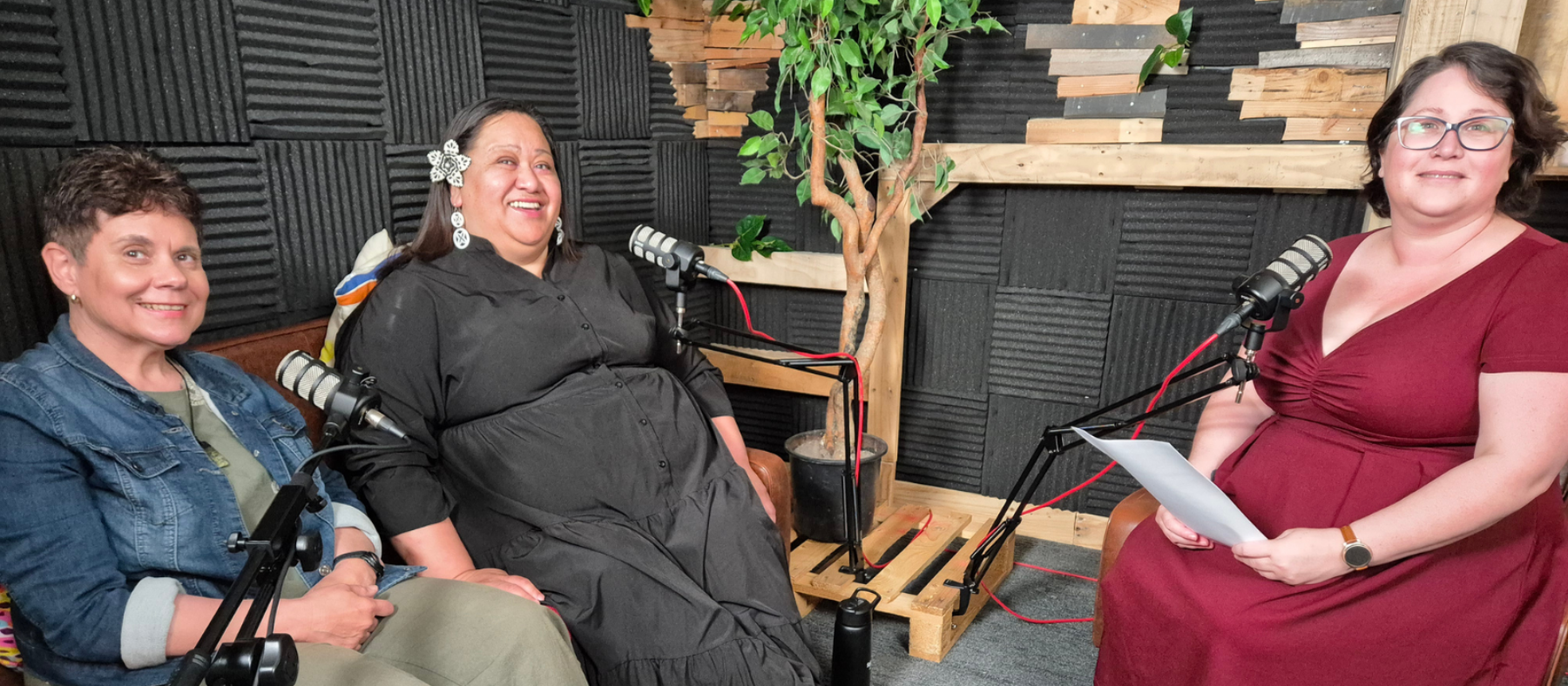
Pictured left to right: Lanie Palm, Janeta Vasega, and host Alexia Black.
Where to listen:
Information on the topic
Older people have a lifetime of experience and knowledge to share and contribute meaningfully to society. Yet, many older people feel ignored. Mental health challenges and addiction are common among older people but are often under-recognised. Older people deserve support that enables them to live fulfilling lives. Older people experiencing mental health challenges and addiction require strong values, strengths-based, trauma-informed, and mana-enhancing support that recognises their unique experience and journey.1-4
Tips from The Difference podcast
- We have so much to learn from older people. Society often underestimates the value older people bring. See them as people with a lifetime of skills and wisdom.
- The pace of supporting older people can be slower. It’s often about supporting people to keep the skills and independence they have, for as long as they can.
- Isolation and loneliness are big issues for many older people. Support is often around spending time, socialisation, talanoa (talking/ kōrerō) and making social connections.
- Some older people embrace technology and digital connection, but these things can also present big challenges for others.
- Shame and stigma may have held people back from seeking support when they were younger and mental health and addiction were less openly discussed.
- Older people might not talk to their families about their distress as they don’t want to be a burden.
- Addiction to substances like alcohol may not be seen as problematic.
- Involve older people in the decisions being made about their lives, as much as possible. Use supported decision-making.
- More training around dementia and dementia support is needed in the mental health and addiction sector, as well as training around spotting and preventing carer burnout.
- Supporting ageing relatives can have a huge impact on the financial and overall wellbeing of family members.
- Stress and carer burnout can increase the likelihood of elder abuse.
More information on this topic
- Keeping it Real | Kia Pono te Tika – More skills for working with older people describes the knowledge and skills required by those working with older people in mental health and addiction settings. See the framework at More skills for working with older people in mental health and addiction services.
- A comprehensive collection of resources related to More skills for working with older people is available on He kete rauemi: More skills for working with older people in mental health and addiction services.
- Information about recognising and preventing carer burnout is available from Carers NZ and Dementia Care.
- Information about recognising and responding to elder abuse is available from Age Concern and Te Tari Kaumātua The Office for Seniors.
- Advice and support are available through the Age Concern helpline and local offices.