Pūkoro, our learning management system and home to our e-learning resources, will be unavailable on Wednesday 28 October from 9am to 1pm while we carry out an upgrade.
He kete rauemi: More skills for working with older people in mental health and addiction services
Kaimahi (health workers) can use this collection of resources to build their knowledge and skills for working with older people in mental health and/or addiction services.
There’s something here for everyone. On this page you will find a range of free resources such as e-learning modules, videos, podcasts, guidance documents, and practical tools.
You can use these resources to increase your knowledge and skills in line with More Skills for Working with Older People in Mental Health and Addiction Services, especially the gaps identified in the More Skills assessment tool. Weave them into your individual or team development plans.
More Skills for Working with Older People builds on Keeping it Real | Kia Pono te Tika. For more learning resources, see the Real Skills resources | He kete rauemi webpages (via navigation menu).
Key resources
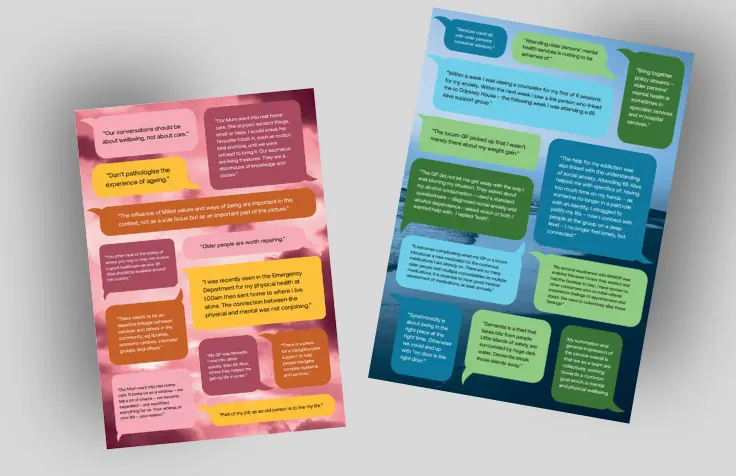
Lived experience aspirations for older people
This handout outlines key messages from older people with lived experience of mental health challenges and problematic substance use.
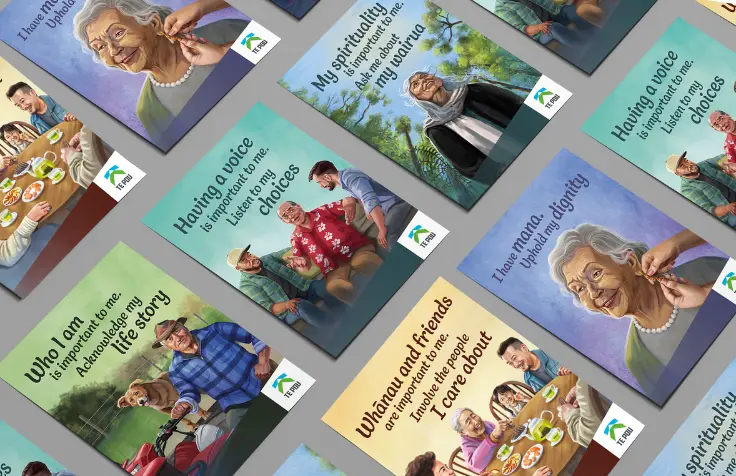
Working with older people
This webpage offers information and resources for kaimahi working with older people, including posters, discussion cards, and presentations.
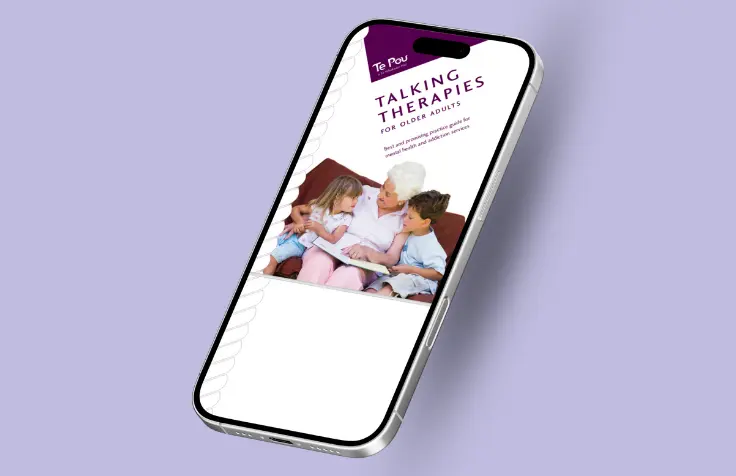
Talking therapies for older adults
Written guidance (50 pages) on engaging with older people in talking therapies. (Note. Most of the guidance are still relevant, but links and resources may be outdated).
HoNOS65+ outcome measure
This webpage offers HoNOS 65+ training, guidelines, data reports, and dashboards to understand outcomes among older people.
Frailty care guides | Ngā aratohu maimoa hauwarea
Te Tāhū Hauora Health Quality & Safety Commission provides written guidance (200 pages) on supporting older people living with frailty Sections can be downloaded separately.
Goodfellow Unit
Goodfellow Unit offers a range of e-learning, webinars, and podcasts about older people’s health and wellbeing that are endorsed by RNZCGP.
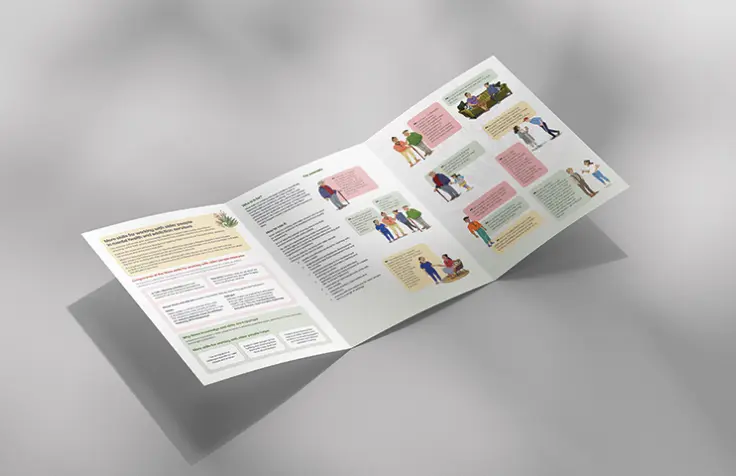
More skills – Guide for kaimahi
Six-page fold-out guide is designed to support leaders, managers, and kaimahi who want to use the More skills for working with older people in mental health and addiction services resource.
The resources below are aimed at the enhanced level (everyone working in mental health and addiction roles) and organised into the seven Real Skills:
Working alongside tāngata whai ora
In Keeping it Real | Kia Pono te Tika, the Real Skill Working alongside tāngata whai ora aims to ensure: Tāngata whai ora have their mana protected and enhanced and experience respect. They are informed of their options, receive support to make decisions, and achieve their wellbeing goals.
Working alongside tāngata whenua
In Keeping it Real | Kia Pono te Tika, the Real Skill Working alongside tāngata whenua aims to ensure: Tāngata whai ora and whānau Māori experience respect and are supported to access options informed by te ao Māori to achieve hauora goals.
Working alongside whānau
In Keeping it Real | Kia Pono te Tika, the Real Skill Working alongside whānau aims to ensure: Whānau receive support to achieve their health and wellbeing goals, as determined by them.
Working within communities
In Keeping it Real | Kia Pono te Tika, the Real Skill Working within communities aims to ensure: Tāngata whai ora and whānau have meaningful connections to communities of their choice, to support and enhance their wellbeing
Challenging discrimination
In Keeping it Real | Kia Pono te Tika, the Real Skill Challenging discrimination aims to ensure: People working in health are strong advocates for the elimination of discrimination relating to addiction, mental health challenges, racism, and all other forms of discrimination.
Applying law, policy, and standards
In Keeping it Real | Kia Pono te Tika, the Real Skill Applying law, policy, and standards aims to ensure: Rights, autonomy, and self-determination of tāngata whai ora and whānau are promoted and upheld.
Maintaining learning and kaimahi wellbeing
In Keeping it Real | Kia Pono te Tika, the Real Skill Maintaining learning and kaimahi wellbeing aims to ensure: People working in health are reflective and enabled to work effectively alongside tāngata whai ora and whānau.

Resources
Te Pou has a wide range of evidence-based resources and tools to help the addiction and mental health workforce.
Learn MoreOur work
Te Pou works alongside addiction and mental health services to understand their priorities and workforce challenges.
Learn More