
Pūkoro, our learning management system and home to our e-learning resources, will be unavailable on Wednesday 28 October from 9am to 1pm while we carry out an upgrade.
He kete rauemi: Working alongside whānau
Kaimahi (health workers) can use this collection of resources to build their knowledge and skills for Working alongside whānau.
In Keeping it Real | Kia Pono te Tika, the Real Skill Working alongside whānau aims to ensure: Whānau receive support to achieve their health and wellbeing goals, as determined by them.
There’s something here for everyone. On this page you will find a range of free resources such as e-learning modules, videos, podcasts, guidance documents, and practical tools. You can use these resources to increase your knowledge and skills, especially the gaps identified in the Real Skills assessment tool. Weave them into your individual or team development plans.
The resources are organised below into the three levels of the framework: essential, enhanced, and leadership.
Essential level (for everyone working in health)
Tātou tātou: being with people and whānau
This e-learning aims to help you understand what engaging and being with people means in your role. Approx. 60-80 mins of self-paced learning.
Working with whānau e-learning
The e-learning supports kaimahi to increase their understanding of working effectively with whānau to improve health outcomes.
Approx. 30-40 mins of self-paced learning.
Short videos
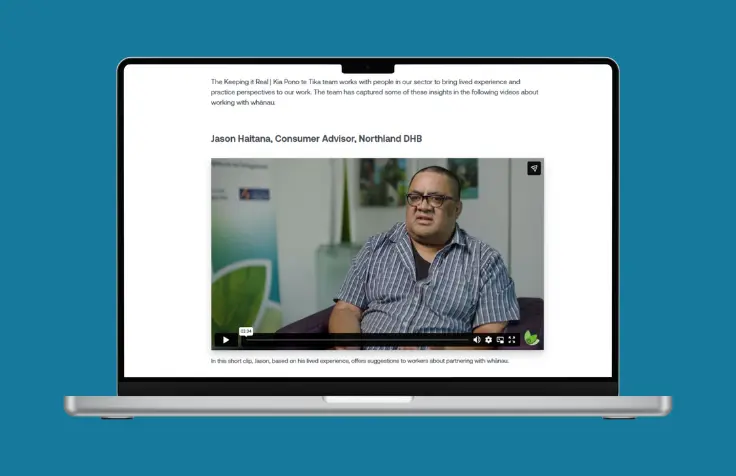
A series of short videos featuring lived experience and practice perspectives of working with whānau.
Supporting parents healthy children (SPHC)
The SPHC programme is designed to facilitate a family-focused approach within services, supporting parents to optimise outcomes for their children. For resources and training, see the Whāraurau website.
Privacy e-learnings
The Privacy Commissioner offers free e-learning for kaimahi covering the basics about health information privacy, including sharing information with whānau or other services. The Health ABC module is approx. 30 mins. More advanced modules are also available.
Whānau support services
Kaimahi can use the Healthpoint directory to find local services that can provide support to the whānau of people who are experiencing addiction or mental health challenges.
Enhanced level (for everyone working in mental health and addiction roles)
Trauma-informed and responsive approaches
This e-learning describes trauma-informed approaches for the mental health and addiction workforce. Approx. 90-120 mins of self-paced learning.
What is a whānau advisor?
In this short video (6 mins), whānau advisors talk about the role they have in mental health and addiction services.
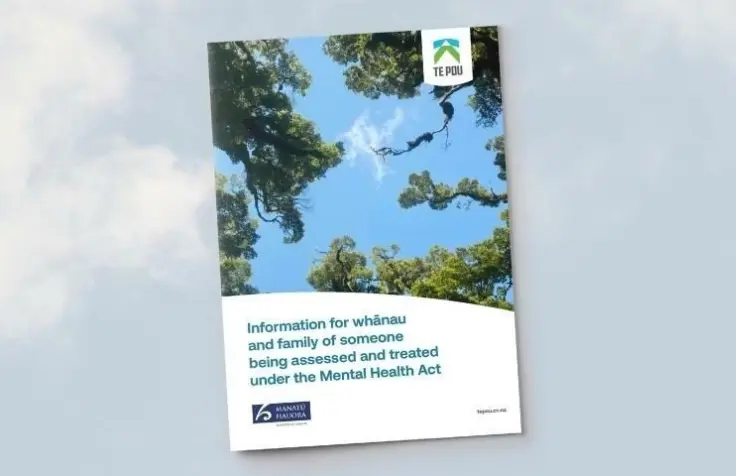
Information for whānau and family of someone being assessed and treated under the Mental Health Act
A booklet for kaimahi to share with whānau to help explain the Mental Health Act and its processes.
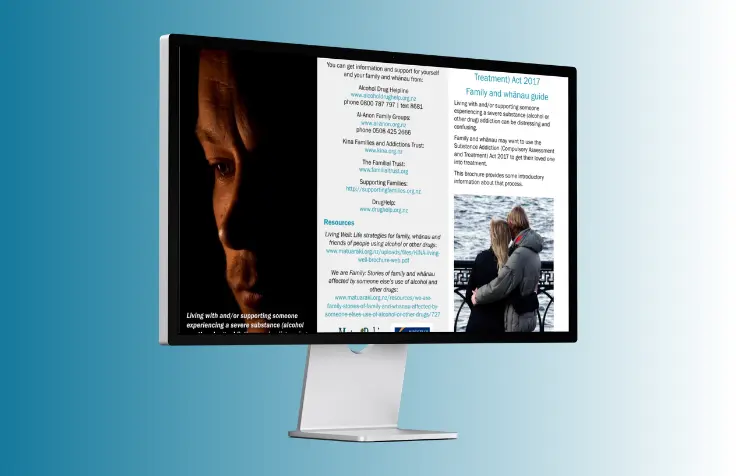
Substance Addiction (Compulsory Assessment and Treatment) Act 2017 family and whānau guide
A pamphlet for kaimahi to share with whānau to help explain the SA(CAT) processes. Available in te reo Māori and English.
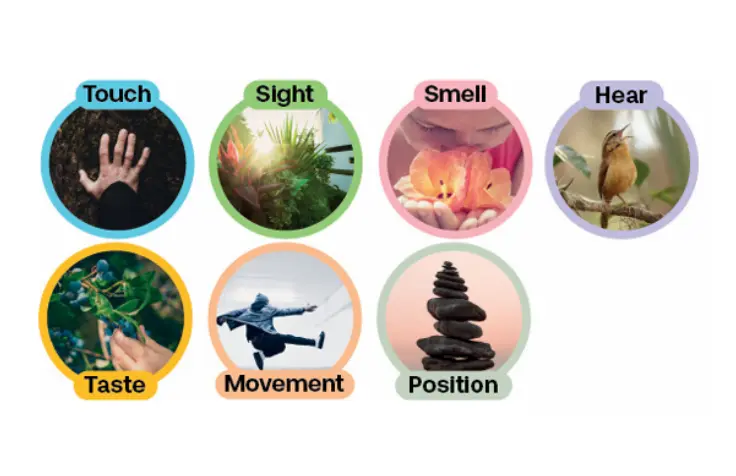
Sensory modulation brochure for whānau
A brochure for kaimahi to share with whānau to help explain how sensory modulation works and its potential benefits.
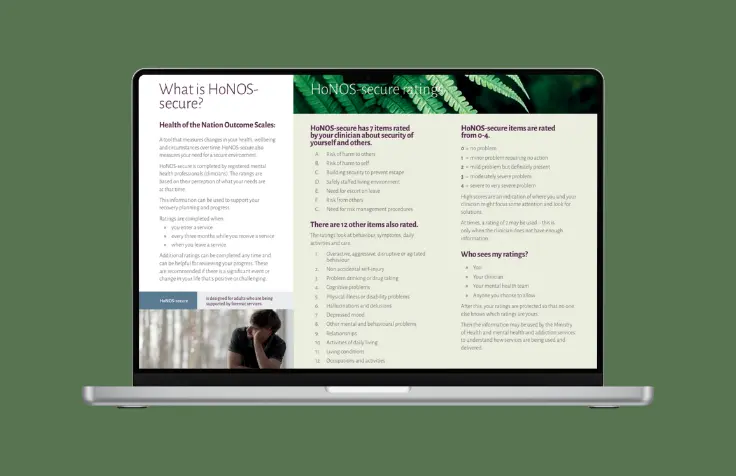
Involving tāngata whai ora and whānau with HoNOS
A series of brochures for kaimahi to share with whānau to help explain the use of HoNOS outcome measures.
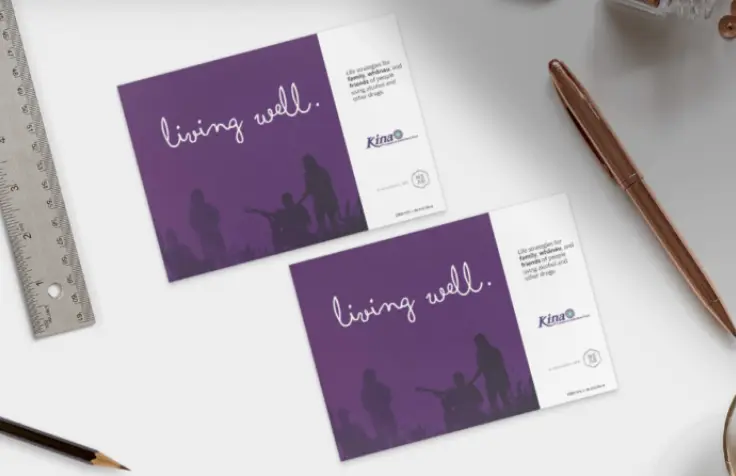
Living well: Life strategies for family, whānau and friends of people using alcohol and other drugs
A booklet for kaimahi to share with the whānau of someone experiencing addiction to help provide suggestions, strategies, and ideas about how they can look after themselves.
Single session family consultation (SSFC)
SSFC is a tool that helps kaimahi work safely and confidently with whānau. Whāraurau offers free training that consists of e-learning modules (2-4 hours) and an online workshop (full day). Train-the-trainer options are also available.

Principles for engaging consumers and whānau in mental health and addiction adverse event reviews
Te Tāhū Hauora Health Quality & Safety Commission provides written guidance (1-page) for kaimahi about engaging with tāngata whai ora and whānau following an adverse event.
Leadership level (for everyone who is leading, guiding, educating and resourcing the work of others in health)
See the Arataki leadership tool and workforce planning and development webpage for information and resources to help you grow and shape the workforce to achieve service goals related to this Real Skill.
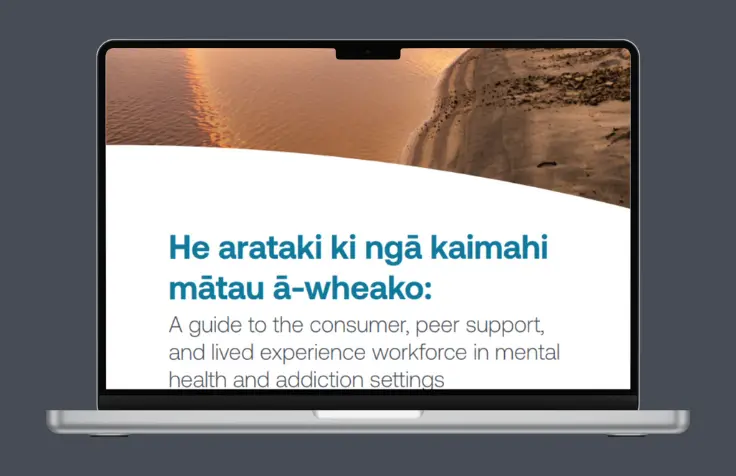
He arataki ki ngā kaimahi mātau ā-wheako
Written guide (50 pages) for employers, managers, and services who include lived experience roles or are intending to employ or work with lived experience roles.
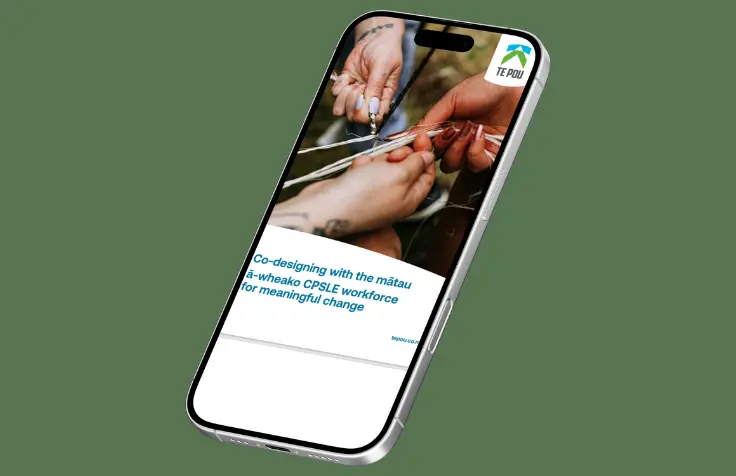
Co-designing with the mātau ā-wheako CPSLE workforce for meaningful change
Written guidance (30 pages) on how to authentically engage with the mātau ā-wheako consumer, peer support and lived experience (CPSLE) workforce through co-design activity.
KPI Programme for Mental Health and Addiction Aotearoa New Zealand
The KPI Programme provides the sector with information about whānau engagement in services. They also host in-person forums and benchmarking breakouts (online networking discussions) to support data-informed decision-making.
How to use information from the whānau engagement indicator
Short video (2-4 mins) of whānau advisors explaining how whānau engagement data can be used to inform practice and service delivery. To find out more about whānau engagement, visit www.mhakpi.health.nz

He Ara Āwhina framework
Te Hiringa Mahara uses He Ara Āwhina to assess and monitor services with the goal of developing a whānau-dynamic mental health and addiction system. The monitoring dashboard includes a range of whānau measures to support leaders with data-driven decision making.
Co-designing with consumers, whānau and communities
Te Tāhū Hauora Health Quality & Safety Commission provides information, resources and practical advice about engagement and co-design with tāngata whai ora and whānau.

Resources
Te Pou has a wide range of evidence-based resources and tools to help the addiction and mental health workforce.
Learn MoreOur work
Te Pou works alongside addiction and mental health services to understand their priorities and workforce challenges.
Learn More