
Pūkoro, our learning management system and home to our e-learning resources, will be unavailable on Wednesday 28 October from 9am to 1pm while we carry out an upgrade.
He kete rauemi: Working within communities
Kaimahi (health workers) can use this collection of resources to build their knowledge and skills for Working within communities.
In Keeping it Real | Kia Pono te Tika, the Real Skill Working within communities aims to ensure: Tāngata whai ora and whānau have meaningful connections to communities of their choice, to support and enhance their wellbeing.
There’s something here for everyone. On this page you will find a range of free resources such as e-learning modules, videos, podcasts, guidance documents, and practical tools. You can use these resources to increase your knowledge and skills, especially the gaps identified in the Real Skills assessment tool. Weave them into your individual or team development plans.
The resources are organised below into the three levels of the framework: essential, enhanced, and leadership.
Essential level (for everyone working in health)
Working within communities e-learning
This e-learning provides kaimahi with opportunities to explore and reflect on working within communities. Approx. 2 to 3 hours of self-paced learning that can be completed in stages.
Manaaki Ora
The Centre of Māori Suicide Prevention offers a free suite of wānanga developed as a way of addressing Māori suicide. This is for anyone who work with Māori, especially those who work in NGOs, community-based groups, Hauora providers, iwi, marae and whānau champions.
LifeKeepers
Le Va offers free training on suicide prevention especially designed for people who work in communities or in frontline community roles. Options include e-learning (2.5 hours) or in person workshops (full day).
10 things that we can do in our whānau and communities
Let’s End Loneliness outlines actions for kaimahi working within communities that can lead to people feeling included and taking part in community activities.
Recovery capital videos
Recovery capital refers to the internal and external resources that individuals can access to support their recovery from addiction. This involves supporting people to identify and build their personal strengths, social support, and community resources. Healthify He Puna Waiora provides short videos (4-6 mins each) to help kaimahi learn about recovery capital.

What is harm reduction?
New Zealand Drug Foundation provides useful information to introduce kaimahi to harm reduction values, initiatives, and programmes.
Co-design in health: e-learning courses
Te Tāhū Hauora Health Quality & Safety Commission offers e-learning for kaimahi to learn about engaging tāngata whai ora, whānau, and communities in co-design processes. Approx. 20 mins to complete each module.

Access and Choice programme
Kaimahi can use the Access and Choice directory to find free and local mental wellbeing support for tāngata whai ora and whānau. The directory includes Kaupapa Māori, Pacific-led, and youth services.
Mental health and addiction services
Kaimahi can use the Healthpoint directory to find local support for tāngata whai ora and whānau. The directory includes specific areas such as Kaupapa Māori, Pacific, gambling harm, smoking cessation, and maternal services.
Enhanced level (for everyone working in mental health and addiction roles)
Addiction harm reduction initiatives
Kaimahi can learn more about harm reduction principles and approaches that centre on equity, cultural integrity, and lived experience through these He Aka Hui presentations (90 mins) from the Whāriki Addiction Series.
The strategy to prevent and minimise gambling harm in New Zealand
Kaimahi can learn more about gambling harm in our communities and the initiatives and services available to support people though these He Aka Hui presentations (90 mins) from the Whāriki Addiction Series.
Harm reduction – working with different communities
New Zealand Drug Foundation provides written guidance on implementing harm reduction with different communities, such as Māori, Pasifika, Asian, youth, disabled, and rainbow communities.
LinkPeople
Kaimahi can connect tāngata whai ora and whānau with LinkPeople, a service that specialises in supporting tāngata whai ora in secondary mental health, addiction, and forensic services into stable housing.
Workwise
Kaimahi can connect tāngata whai ora and whānau with Workwise, a service that specialises in supporting people who are facing personal or health challenges to return to work or stay in employment.
Leadership level (for everyone who is leading, guiding, educating and resourcing the work of others in health)
See the Arataki leadership tool and workforce planning and development webpage for information and resources to help you grow and shape the workforce to achieve service goals related to this Real Skill.
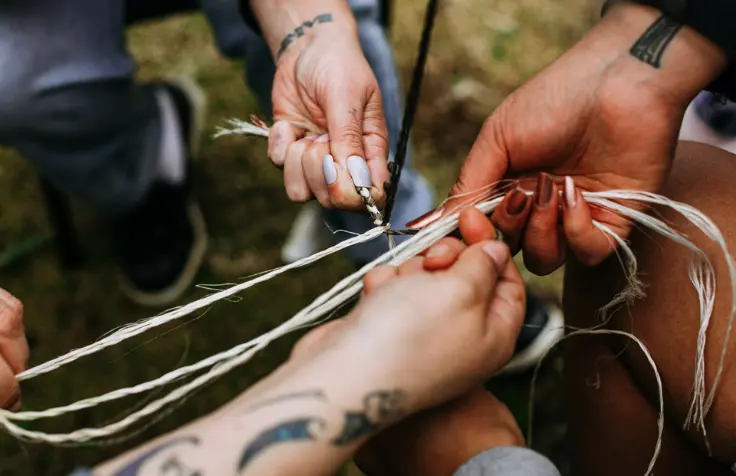
Co-designing with the mātau ā-wheako CPSLE workforce for meaningful change
Written guidance (30 pages) on how to authentically engage with the mātau ā-wheako consumer, peer support and lived experience (CPSLE) workforce through co-design activity.
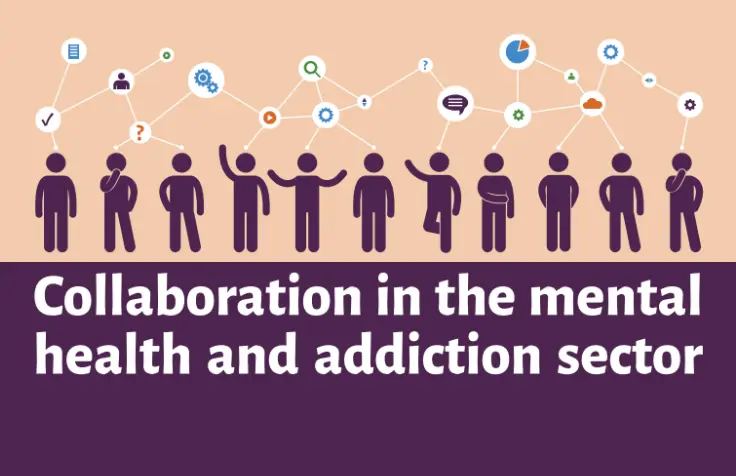
Collaborative capability in the mental health and addiction sector
An infographic outlining the values and approaches that support effective collaboration in the mental health and addiction sector.
Work Counts
Work Counts provides expert support and training for organisations to develop and deliver Individual Placement and Support (IPS) employment support programmes within their services.
Co-designing with consumers, whānau and communities
Te Tāhū Hauora Health Quality & Safety Commission provides information, resources and practical advice about engagement and co-design with tāngata whai ora and whānau.
Tools and resources for harm reduction
New Zealand Drug Foundation provides a service reflection tool to help your service reflect on harm reduction. The tool can help your team reflect on your current harm reduction practices and brainstorm ways harm reduction could be developed or expanded.
Community-led development (CLD) training
Inspiring Communities offer training (cost applies) about community-led development, which is an approach to improving hauora of the local community.

Resources
Te Pou has a wide range of evidence-based resources and tools to help the addiction and mental health workforce.
Learn MoreOur work
Te Pou works alongside addiction and mental health services to understand their priorities and workforce challenges.
Learn More