
Pūkoro, our learning management system and home to our e-learning resources, will be unavailable on Wednesday 28 October from 9am to 1pm while we carry out an upgrade.
MHFAider spotlight: Kat the cop
-
Publication Date:
02 March 2026
-
Author:
Ciara Coles
-
Area:
Mental Health -
Related Initiatives:
-
Keywords:
-
Share
-
Share on Facebook -
Share on Twitter -
Share on LinkedIn -
Share by Mail
-
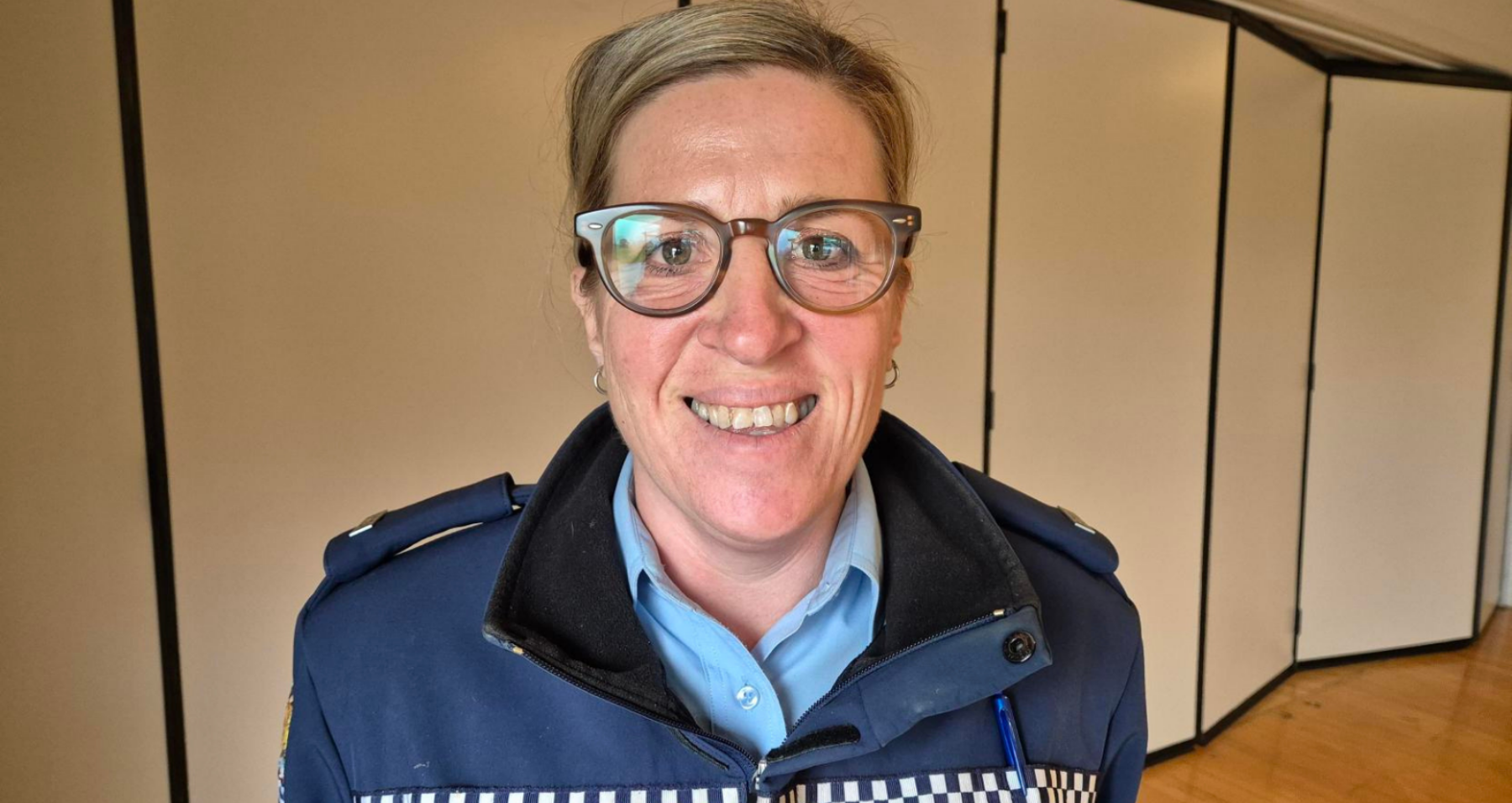
Meet Constable Kathryn Payne, a school community officer with New Zealand Police based in Te Awamutu. Known in her community as “Kat the Cop”, she’s passionate about supporting rangatahi and building stronger, safer connections in schools and her wider community. Kat became a Youth MHFAider in May 2024, after completing a two-day Youth Mental Health First Aid workshop.
Kat has been with New Zealand Police for nearly a decade, and in her current role for around seven years. She supports around 80 schools across the Waipā, South Waikato, and King Country districts.
Why did you want to do the Youth Mental Health First Aid programme?
Because I’m a school community officer, my core role is education in schools. I talk to young people about keeping themselves safe, healthy relationships and consent. I know that mental health is a huge issue within our communities these days, and there are a lot of pressures on our youth. I know a lot of them are struggling with mental health challenges.
Doing the Youth MHFA workshop felt like a great opportunity to understand the struggles they might be going through and learn how I can do more to support rangatahi rather than thinking it’s just a behavioural problem.”
What stood out to you in the training?
A lot of it felt like good, practical common sense, and it really backed up what I already knew. The facilitators were fantastic; they made it really engaging and relatable. I loved learning about the ALGEE action plan because it gives you a clear framework to follow for having conversations.
As a Mental Health First Aider, you are not expected to be the mental health expert. You’re there to support people at that time, then get them professional help if needed.
Have you noticed mental health challenges with youth in your work with schools?
Big time. I’ve seen a rise in mental health challenges, especially anxiety. Social media has made life more complex. Our kids live in a very digital world with everything at their fingertips. It impacts bullying and so many other things. As adults, we need to have strategies on how to support young people and how to talk to them about it. That’s why this training is so valuable - anyone working with youth should do it.
How has being a Youth MHFAider made a difference in your role over the past year?
It’s made me more aware that there’s often more to bad behaviour than the behaviour itself. Rather than reacting to what a young person has done, I’m now more about figuring out the underlying factors causing the behaviour and getting them help where available.
For example, a mum came to the police station about her child stealing money from home and spending it at the local dairy and shouting other kids at school. She asked if we would talk to him and, after a good chat with Mum, we realised her child had underlying mental health challenges and was trying to fit in with peers. Using ALGEE, I was able to listen, explore options with Mum, and help her connect to professional support. We also came up with a reward chart to encourage good behaviour.
What has stayed with you most from the training?
The ALGEE action plan. It’s a great visual reminder of what to do next. In my job, a lot of mental health issues present as behaviour issues, which are sometimes overlooked, and rangatahi can be punished rather than helped.
As Police, we just want the best for people. The earlier we can intervene and offer support, the better the outcome will be.
What do you love about working alongside others in your community?
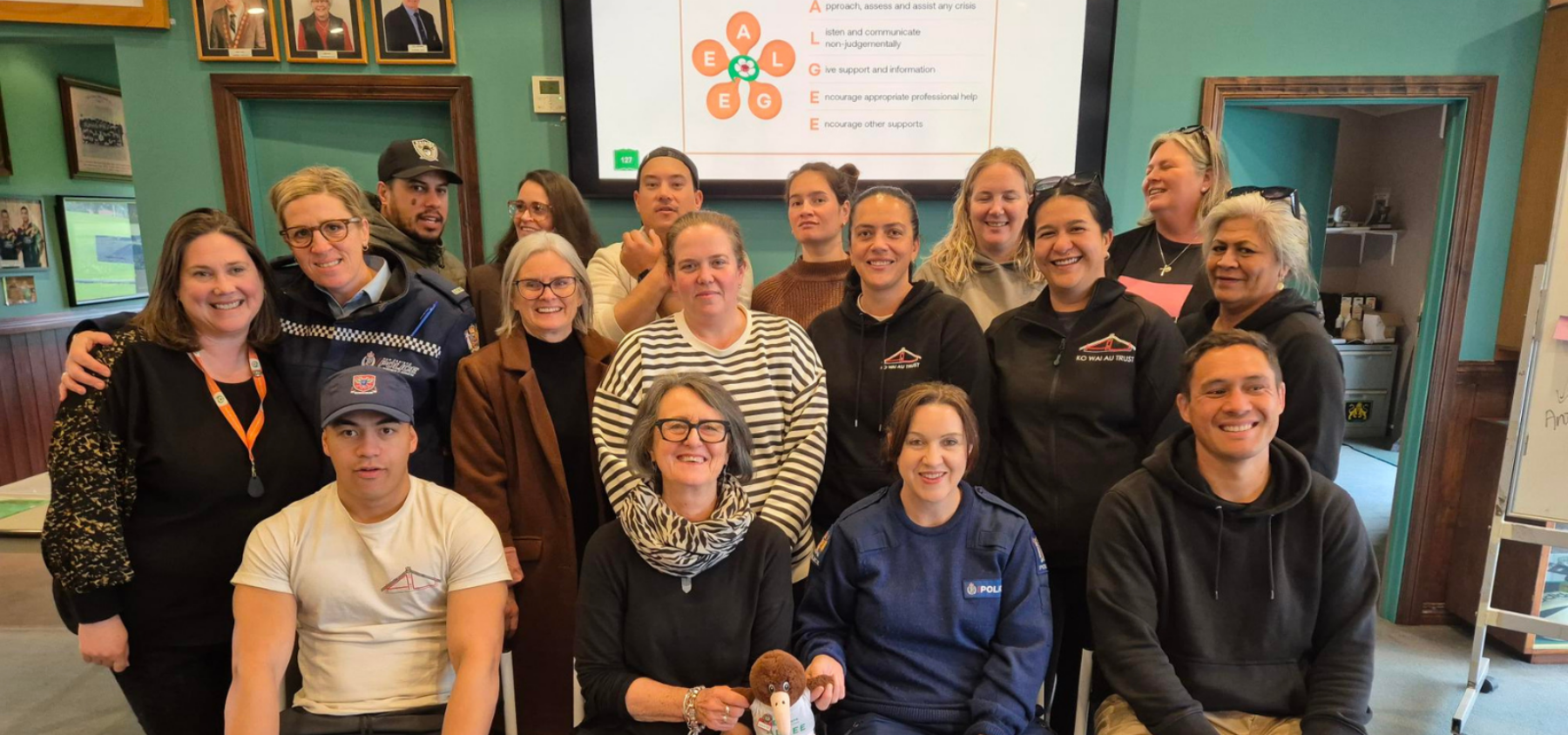
I really enjoyed doing [Youth MHFA] training with the Ko Wai Au Trust. We’re on the same page, here for our tamariki, so we can support each other.
It takes a village to raise a child, so having the village all on the same team – learning and working together for rangatahi – is something I love.